
Silk Scarves and the Couture Philosophy
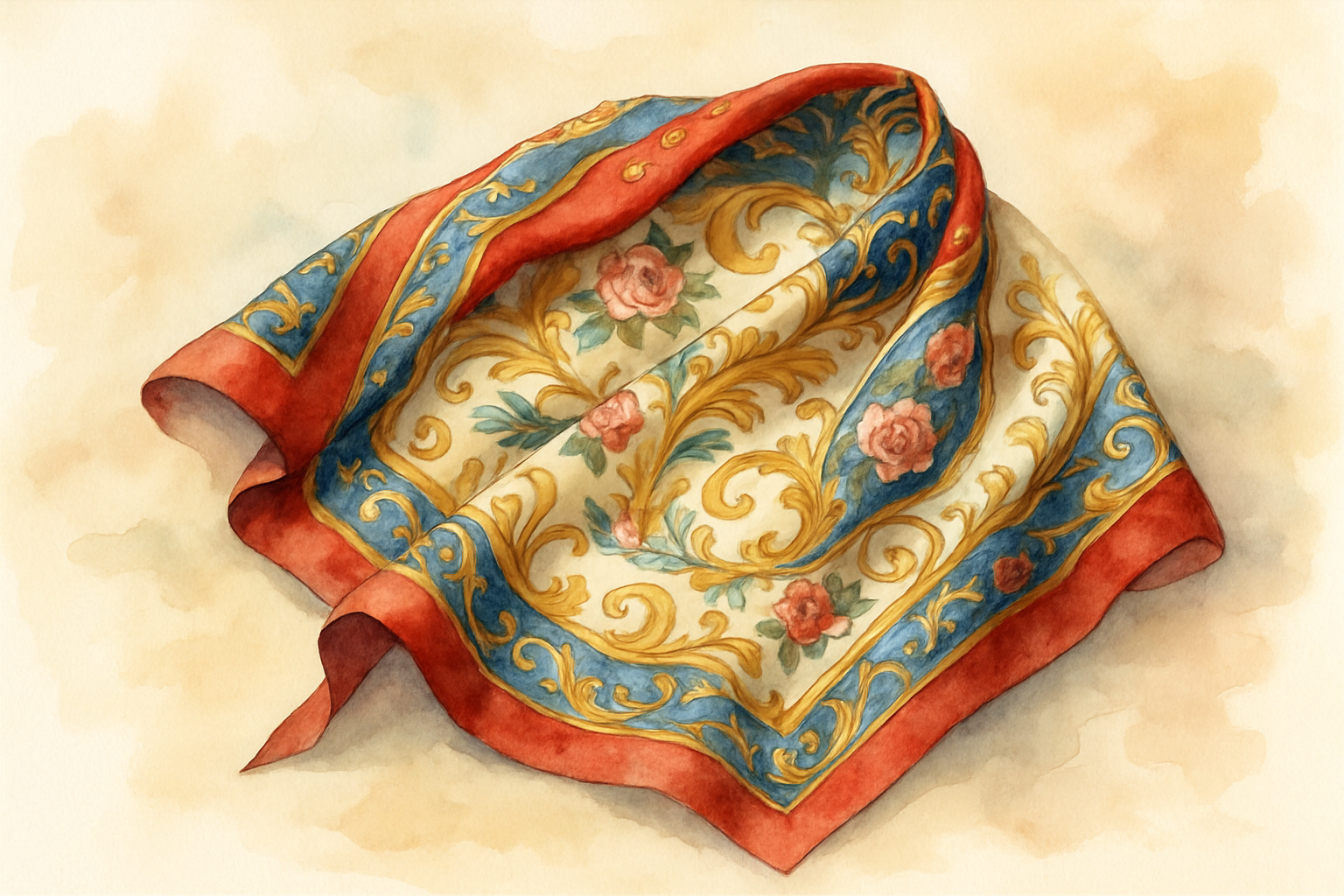
Timeless remarks on craftsmanship, detail, and artistry in luxury silk
A silk scarf, at first glance, seems simple. A square of cloth, light as air, folded and worn without ceremony. Yet in couture philosophy, the silk scarf occupies a far deeper position. It is not an accessory in the casual sense. It is a distilled expression of craft, patience, and intentional art. In luxury fashion, scarves often carry the quietest confidence. They do not shout for attention, yet they endure. Trends pass, seasons blur, but a well made silk scarf remains relevant, wearable, and meaningful across decades.
This article explores the couture philosophy of silk scarves through the lens of craftsmanship, detail, and artistry. It looks beyond surface beauty to examine why silk scarves continue to hold cultural, emotional, and commercial value in a modern luxury market obsessed with speed. From material science and hand finishing to branding strategy and consumer psychology, the silk scarf tells a compelling story about what timeless luxury really means.
Couture as a way of thinking
Couture is often misunderstood as an aesthetic alone. In reality, couture is a mindset. It is a way of approaching design and production that prioritises excellence over efficiency. In couture thinking, time is not an enemy but a collaborator. Decisions are deliberate. Processes are refined through repetition, not automation alone.
Silk scarves align naturally with this philosophy. Unlike garments that must conform to bodies, seasons, and sizes, scarves exist outside those constraints. They offer designers a pure canvas. Every choice matters, from fibre selection to weave density, from ink formulation to the pressure of a hand rolled hem. Couture thinking demands attention at every stage, because shortcuts reveal themselves quickly in silk.
In branding terms, this makes silk scarves powerful ambassadors of luxury values. They communicate patience, discernment, and respect for tradition without a single word being spoken.
The material intelligence of silk
Silk is not just luxurious because it feels smooth. Its value lies in its complexity. Mulberry silk, widely regarded as the gold standard, is prized for its long fibres, consistent structure, and natural lustre. These qualities allow silk to hold colour with remarkable depth while maintaining softness and strength.
From a technical perspective, silk behaves differently from synthetic fabrics. It reflects light rather than absorbing it. It responds to movement, temperature, and touch. This responsiveness is why silk scarves appear alive when worn. They shift subtly with the body, catching light in ways that flatter the wearer rather than overpower them.
For couture houses, silk presents both opportunity and challenge. It is unforgiving. Any inconsistency in weaving, printing, or finishing becomes visible. That is precisely why it remains a marker of quality. In luxury markets, materials that demand skill tend to command respect. Silk rewards mastery and exposes indifference.
Craftsmanship that resists shortcuts
True craftsmanship in silk scarves is rarely visible at a glance, yet it defines the entire experience. Hand rolled hems, for example, are not merely decorative. They require dexterity, muscle memory, and time. A skilled artisan rolls the edge of the scarf into itself, securing it with fine, even stitches. The result is a soft, fluid edge that moves naturally and resists fraying.
Similarly, traditional screen printing involves layering colour by colour, often using dozens of screens for a single design. Each layer must align perfectly. This process allows for richer saturation and greater control than digital printing, but it demands patience and expertise.
From a marketing standpoint, these details matter deeply. Modern luxury consumers are increasingly educated. They look for signals of authenticity and labour. Craftsmanship becomes a form of proof. It reassures buyers that value is embedded in the product, not merely projected through branding.
Detail as a language of trust
Luxury communicates through detail. In silk scarves, detail shows up in proportion, balance, and restraint. An expertly designed scarf understands negative space. It knows when to pause. Borders are considered carefully. Motifs repeat with intention rather than excess.
This attention to detail builds trust. When a customer notices that the pattern aligns perfectly at the edges, or that the colours remain vibrant after years of wear, confidence grows. Trust is one of the most valuable currencies in luxury branding. It transforms a one time purchase into long term loyalty.
Detail also supports longevity. A scarf that feels thoughtfully designed is less likely to be discarded. It becomes part of a personal wardrobe language, revisited year after year. This emotional durability is increasingly important as luxury brands navigate conversations around sustainability and mindful consumption.
Artistry beyond decoration
Silk scarves have long served as platforms for artistic expression. Historically, they have featured everything from mythological scenes and botanical studies to abstract compositions and narrative illustrations. Unlike garments constrained by fit, scarves allow artwork to exist in full, uninterrupted form.
This positions the silk scarf at the intersection of fashion and art. It can be collected, displayed, gifted, and inherited. In some cases, scarves function almost like portable galleries. They carry stories, references, and emotional resonance.
From a branding perspective, this artistic dimension offers significant value. Scarves allow brands to explore identity, heritage, and imagination without committing to seasonal silhouettes. They create space for storytelling. For consumers, this adds depth. Purchasing a scarf feels like acquiring a piece of culture, not just a product.
The psychology of timelessness
Timelessness is not accidental. It is engineered through restraint and clarity. Silk scarves that endure tend to avoid novelty for novelty’s sake. They respect proportion. They choose palettes with longevity. They reference themes that transcend trend cycles, such as nature, craft, or human emotion.
Psychologically, timeless objects offer reassurance. In a fast moving world, they provide continuity. Wearing a silk scarf passed down through generations creates a sense of connection. Even newly made scarves can evoke this feeling when designed with heritage in mind.
For luxury brands, timelessness supports long term equity. Products that age gracefully reinforce brand credibility. They reduce reliance on constant reinvention and foster deeper relationships with customers.
Silk scarves in contemporary luxury strategy
In modern luxury portfolios, silk scarves often play a strategic role. They act as entry points for new customers, offering access to craftsmanship at a lower price than ready to wear. At the same time, they serve as statement pieces for loyal clients who appreciate detail.
From a content and marketing perspective, scarves are versatile. They photograph beautifully. They adapt to multiple narratives, from styling guides to heritage storytelling. They perform well across digital platforms because they combine visual appeal with tactile promise.
Importantly, scarves also support quieter luxury narratives. In an era of logo fatigue, understated craftsmanship has renewed appeal. A silk scarf allows wearers to signal taste rather than status. This aligns with broader shifts in consumer values toward discernment and authenticity.
Conclusion
The couture philosophy of silk scarves is rooted in respect. Respect for material, for labour, for time, and for the wearer. These are not disposable objects. They are deliberate creations shaped by centuries of knowledge and refined by contemporary sensibility.
In an industry often driven by urgency, silk scarves remind us that luxury does not need to rush. Their power lies in subtlety, in craftsmanship that reveals itself slowly, and in artistry that remains relevant long after trends fade. For brands and consumers alike, the silk scarf stands as a quiet benchmark of what enduring value looks like.