
The Meaning of Editioned Silk in Luxury Fashion
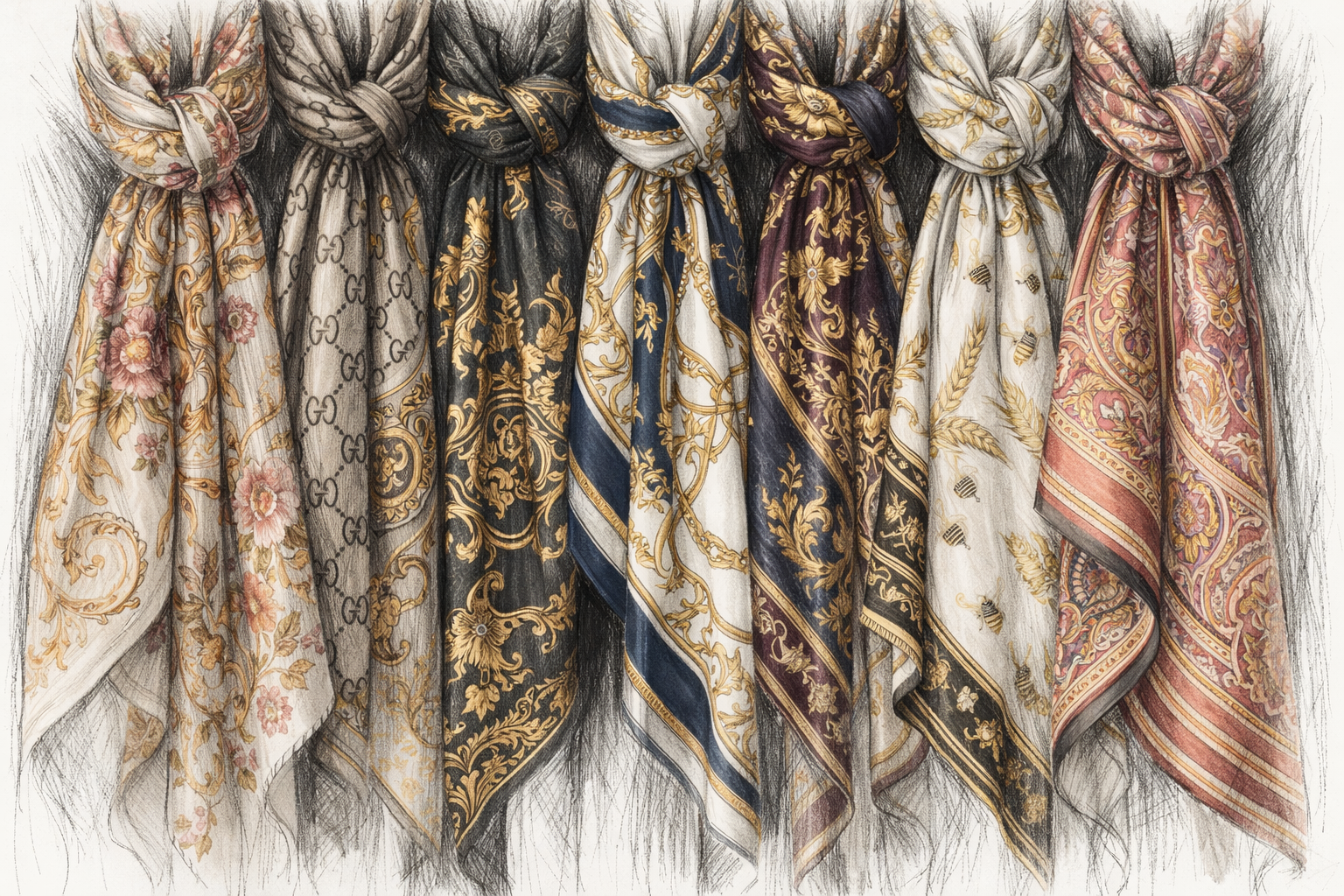
Why limited silk editions have become the quiet language of modern luxury
There was a time when luxury silk was judged almost exclusively by touch. The smoothness of the weave, the weight of the cloth, the subtle sheen caught in candlelight. Those measures still matter, deeply so, but they are no longer the whole story. Today, a new phrase circulates in ateliers, brand decks and private client conversations with increasing confidence: editioned silk.
At first glance, it sounds like a borrowing from the art world, perhaps even a marketing flourish. Look closer, though, and it reveals something far more considered. Editioned silk marks a shift in how luxury fashion defines value, scarcity and meaning. It is not simply about making fewer scarves or gowns. It is about intention, authorship, and the decision to treat silk not as a seasonal commodity, but as a cultural object with a finite life in the world.
This article explores what editioned silk truly means, how it has emerged, and why it resonates so powerfully with contemporary audiences who care as much about provenance and narrative as they do about beauty.
Luxury has always relied on limits, whether spoken or implied. Couture was limited by time and hand skill. Heritage mills were limited by geography. But editioning introduces a different discipline. It is a declared boundary. A promise that once this silk is woven, printed and released, it will not be repeated in the same form again.
In practical terms, editioned silk refers to a silk design produced in a strictly limited, predefined quantity. Each piece belongs to a numbered series, often accompanied by documentation that confirms its place within that run. Once the edition is complete, the design is retired. No reprints, no colourway revivals, no quiet returns under a different name.
What distinguishes true editioned silk from simple limited runs is transparency. The limitation is not vague or flexible. It is precise, communicated clearly to the buyer, and upheld over time. In this way, editioned silk behaves less like fashion stock and more like an artwork released in an edition.
This distinction matters. In a market saturated with phrases such as exclusive and limited, editioning restores credibility. It removes ambiguity. It asks the brand to commit.
The roots of this idea lie firmly in the art world. Printmakers have long understood that an edition is not a constraint but a framework for value. A lithograph or etching gains meaning through its limitation. The artist decides how many impressions will exist, signs them, and moves on. The work becomes anchored to a moment in creative time.
When luxury fashion adopts this logic, silk becomes a canvas rather than a substrate. The designer or artist is no longer producing endlessly adaptable patterns, but completing a body of work. Each edition represents a chapter, closed by design.
This approach reframes ownership. To own an editioned silk piece is not merely to possess a beautiful object, but to participate in a finite creative event. You are not waiting for the next restock. You are holding something that will not be repeated.
From a branding perspective, editioned silk offers a powerful counterpoint to fast-moving fashion cycles. It slows the conversation. Instead of asking what is new this season, the brand invites a different question. What is this piece, and why does it exist?
Editioning encourages narrative depth. Designers speak more openly about inspiration, process and intention because each release carries weight. There is no safety net of mass production. Mistakes cannot be diluted across thousands of units. Excellence becomes non-negotiable.
For the customer, this creates trust. When a brand commits to finite editions, it signals discipline and respect for its audience. Scarcity is no longer manufactured through artificial demand spikes, but earned through restraint.
It also aligns neatly with the values of modern luxury consumers. Today’s buyers are highly literate in design and culture. They are wary of overproduction and sceptical of empty exclusivity claims. Editioned silk speaks to their desire for authenticity, permanence and considered consumption.
Materiality plays a crucial role here. Silk has always occupied a special position in luxury, prized for its lustre, strength and responsiveness to dye and print. In editioned form, these qualities are heightened. The fabric is often sourced with greater specificity, whether from particular regions, mills or weaving traditions.
Design choices tend to be more deliberate. Colour palettes are refined. Motifs carry symbolism. The scale of patterns is considered in relation to the human body, not trend forecasting charts. The result is silk that feels composed rather than styled.
There is also a subtle psychological shift. Knowing that a silk piece exists within a limited edition changes how it is worn and kept. Owners tend to care for it differently. It is less likely to be discarded or forgotten. Over time, it accrues personal history, becoming part of the wearer’s own narrative.
From a commercial standpoint, editioned silk challenges conventional growth models. It does not rely on volume. Instead, it prioritises margin, loyalty and long-term brand equity. Brands that adopt this approach often release fewer designs per year, but invest more deeply in each one.
This can be commercially viable because editioned silk commands confidence-based pricing. Customers are not paying solely for materials and labour, but for authorship, scarcity and cultural positioning. The piece sits comfortably at the intersection of fashion, art and collectable object.
Critically, editioning also introduces accountability. Once an edition sells out, the brand must move forward creatively rather than repeating past successes. This fosters innovation and prevents creative stagnation. Each new release must justify its existence on its own terms.
Of course, editioned silk is not without its challenges. It requires operational discipline, clear communication and a willingness to walk away from short-term revenue opportunities. It also demands trust, both from the brand and from the customer. If edition promises are broken, credibility is lost quickly and often permanently.
Yet when executed with integrity, editioned silk offers something increasingly rare in luxury fashion. A sense of calm certainty. A feeling that what you are buying has a defined place in the world.
As luxury continues to recalibrate in response to cultural, environmental and economic pressures, editioned silk feels less like a trend and more like a return to first principles. Make fewer things. Make them better. Tell the truth about what they are.
In the end, the meaning of editioned silk is not found in numbers alone. It lies in the decision to stop. To say, this is complete. This work is finished. In a world of endless replication, that restraint may be the most luxurious gesture of all.