
4 Ways to Transform a Coat with a Single Silk Scarf
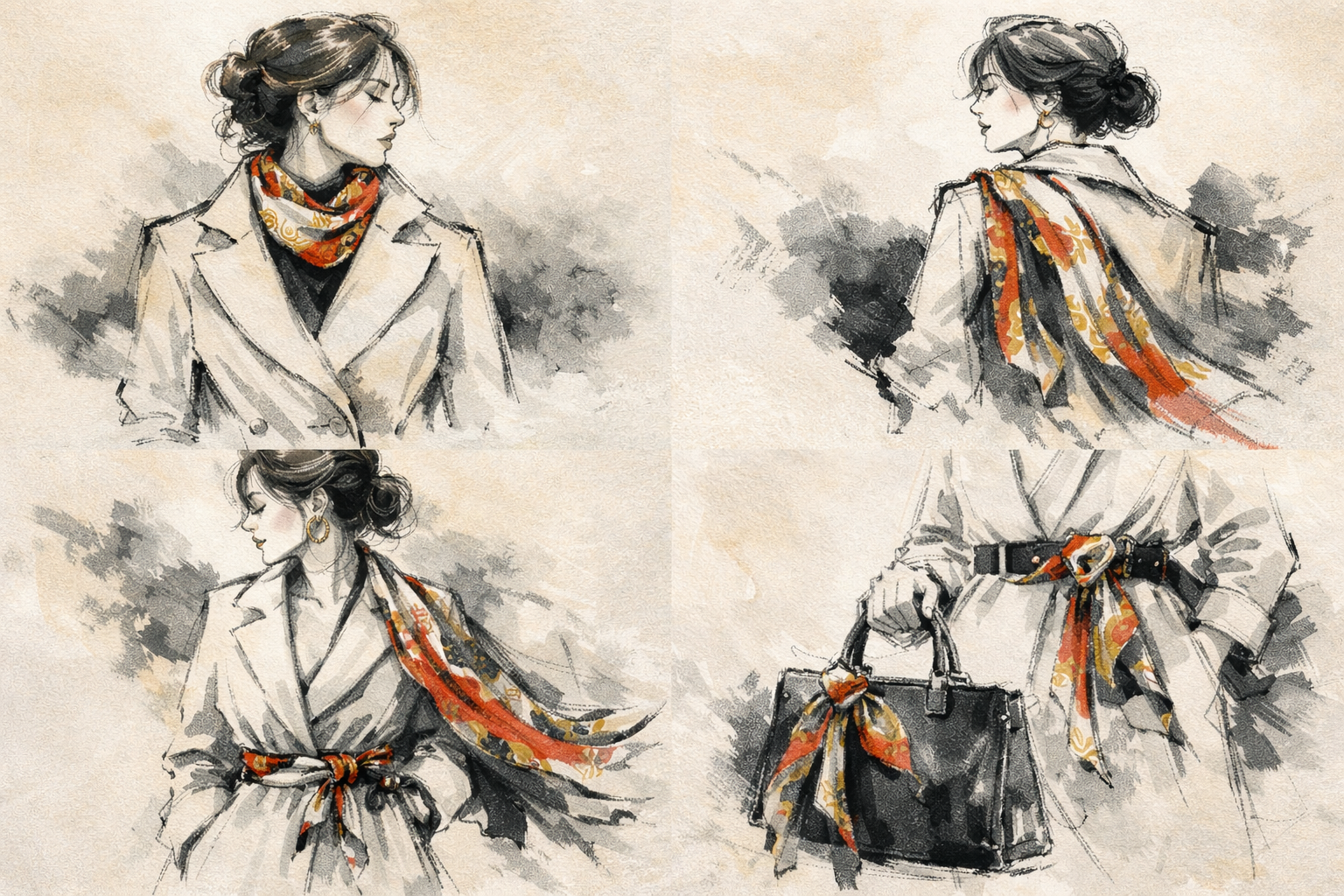
How one considered accessory can reframe outerwear, identity, and intention
A good coat is a promise. It suggests protection, continuity, and a sense of self that does not need constant reinvention. Yet even the most beautifully cut coat can, over time, feel overly familiar. This is where the silk scarf enters, not as decoration but as design intelligence. Light, expressive, and historically rich, a single silk scarf has the power to alter proportion, colour story, and cultural reference without disturbing the integrity of the garment beneath it.
In fashion, transformation is often framed as accumulation. More layers, more pieces, more novelty. The silk scarf offers a quieter, more intelligent alternative. It asks not what else you can add, but how you can reframe what is already there. For brands and wearers alike, this matters. It speaks to sustainability, to personal authorship, and to the idea that luxury is not excess but considered choice.
What follows are four distinct ways a single silk scarf can transform a coat. Each approach is grounded in visual logic, cultural precedent, and modern styling practice. These are not tricks. They are methods. Used well, they turn outerwear into a canvas and the scarf into a deliberate, expressive mark.

1. The Collar Reframe: Introducing Contrast at the Point of Focus
The collar is the architectural centre of a coat. It frames the face, dictates posture, and establishes the first visual interaction between garment and wearer. Introducing a silk scarf here is not about warmth. It is about contrast and intention.
Draped flat beneath the collar or folded narrowly and wrapped once around the neck, the scarf becomes an inserted lining. It interrupts the coat’s original material story with colour, pattern, or illustration. A camel wool coat gains graphic tension when paired with a jewel toned silk. A structured navy overcoat softens instantly when a fluid, painterly print appears at the neckline.
From a branding perspective, this is where silk performs exceptionally well. The scarf acts as a signature, a recognisable visual language that appears consistently near the face. In editorial photography and street style alike, this placement photographs beautifully because it creates a focal point without visual noise.
Historically, this approach draws from equestrian and military dressing, where neckwear signalled rank, allegiance, or personal distinction. In a contemporary context, it reads as composed and assured. There is confidence in not overworking the look.
For the wearer, the psychology is subtle but powerful. Changing the scarf changes the entire perception of the coat, allowing one outerwear piece to feel seasonally and emotionally flexible. The coat remains constant. The message shifts.
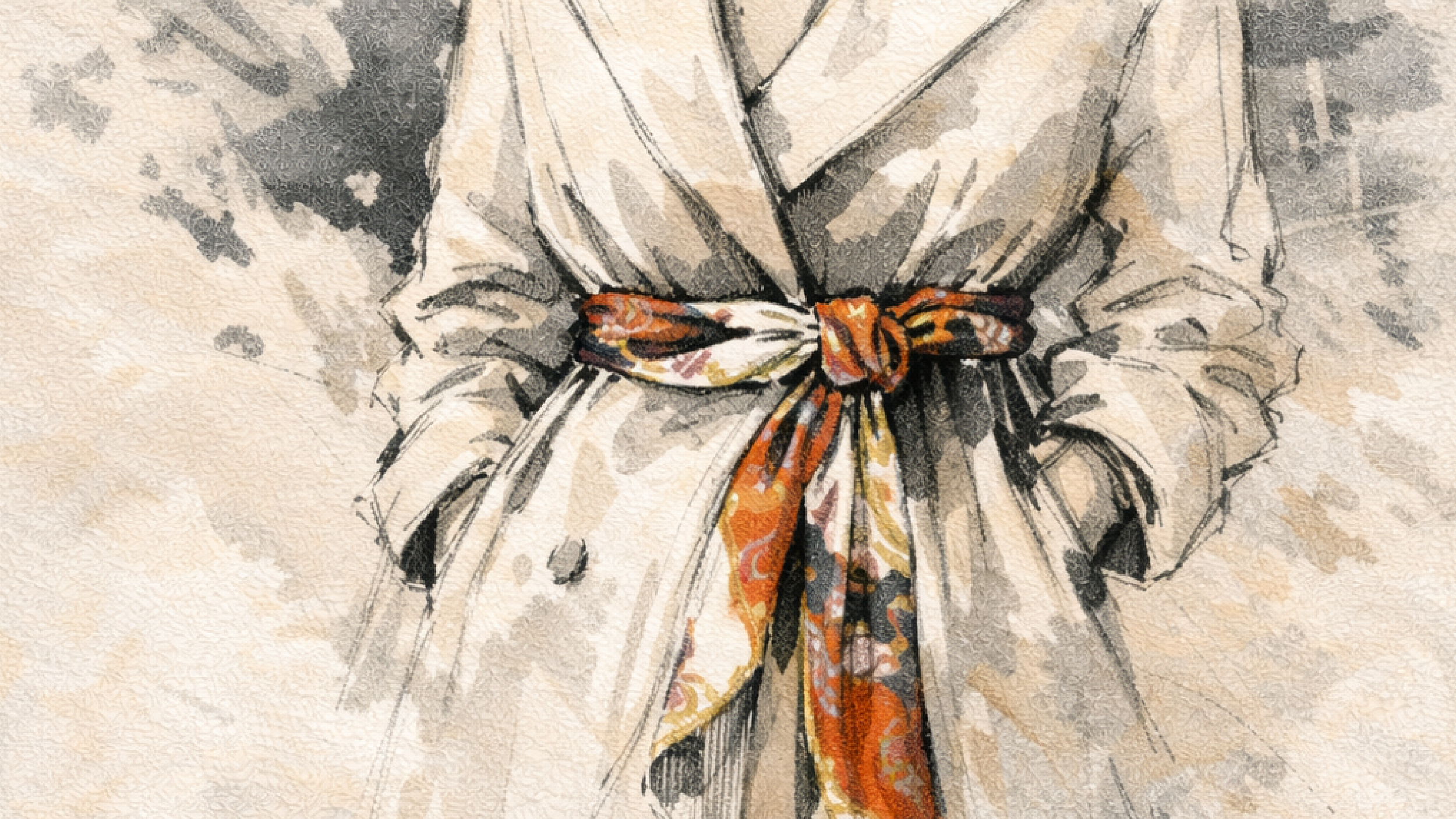
2. The Belted Statement: Rewriting Silhouette and Proportion
When a silk scarf replaces or overlays a belt, the transformation becomes structural. This is no longer surface decoration. It is a redefinition of shape.
Threaded through belt loops, knotted at the waist, or wrapped directly over the coat, the scarf introduces movement where there was once rigidity. It can soften a sharply tailored trench or add definition to a cocoon coat that might otherwise obscure the body.
Visually, this technique works because silk behaves differently from wool or cashmere. It catches light. It folds with ease. It introduces rhythm at the narrowest part of the silhouette, drawing the eye inward and then back out again. Patterned silks are particularly effective here, as they break up large blocks of neutral fabric and add narrative interest.
There is also a quiet nod to heritage dressing. In the mid twentieth century, scarves were often used as improvised belts, particularly in travel and resort wear. Today, reintroducing this idea feels both practical and expressive, a blend that modern luxury increasingly values.
From a sustainability standpoint, this method extends the life and relevance of a coat. It allows the wearer to respond to trends in colour or print without investing in new outerwear. For brands, it reinforces the scarf as a versatile design object rather than a single use accessory.
The result is intentional, not styled. The coat feels redesigned, not merely accessorised.
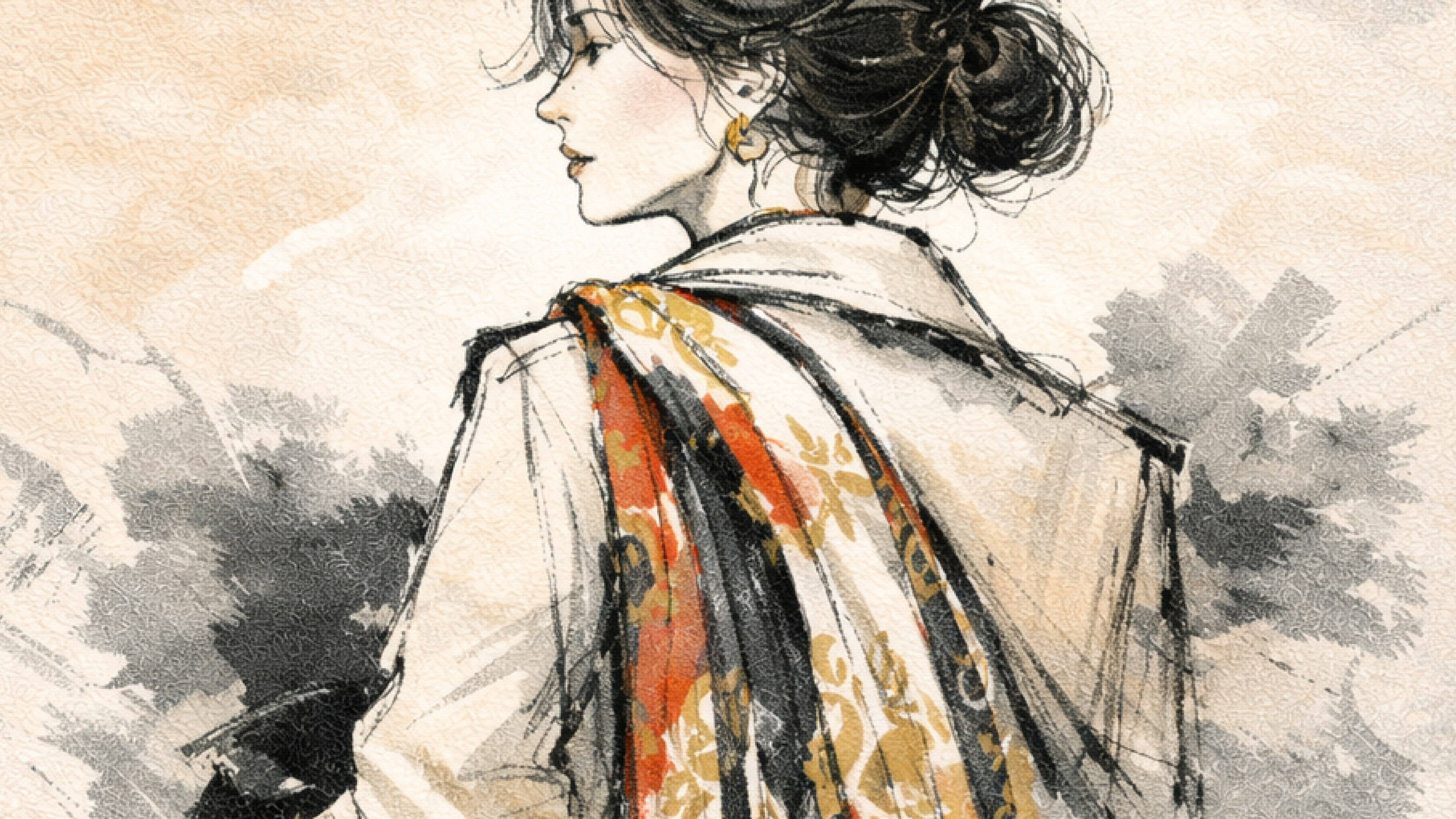
3. The Shoulder Drape: Softening Structure with Gesture
One of the most visually striking uses of a silk scarf is also one of the simplest. Draped over the shoulders and worn beneath the coat, the scarf becomes a visible layer that suggests nonchalance while remaining controlled.
This approach works particularly well with coats that have strong lines. Think broad lapels, double breasted fronts, or pronounced shoulders. The scarf, folded loosely and allowed to fall, introduces softness and movement that offsets the coat’s formality.
In cultural terms, this gesture carries artistic weight. It recalls studio portraits of painters and writers, where scarves functioned as markers of intellectual freedom rather than warmth. In fashion imagery, it reads as editorial, often used to signal taste rather than trend.
For brands rooted in art and illustration, this placement allows the scarf’s design to be partially revealed, encouraging closer inspection. It invites curiosity. The wearer becomes a moving exhibition, offering glimpses rather than full disclosure.
There is also an emotional element at play. Wearing a scarf this way feels personal, almost private. It suggests that the scarf is worn for oneself, not for display. In a market saturated with overt branding, this restraint is quietly compelling.
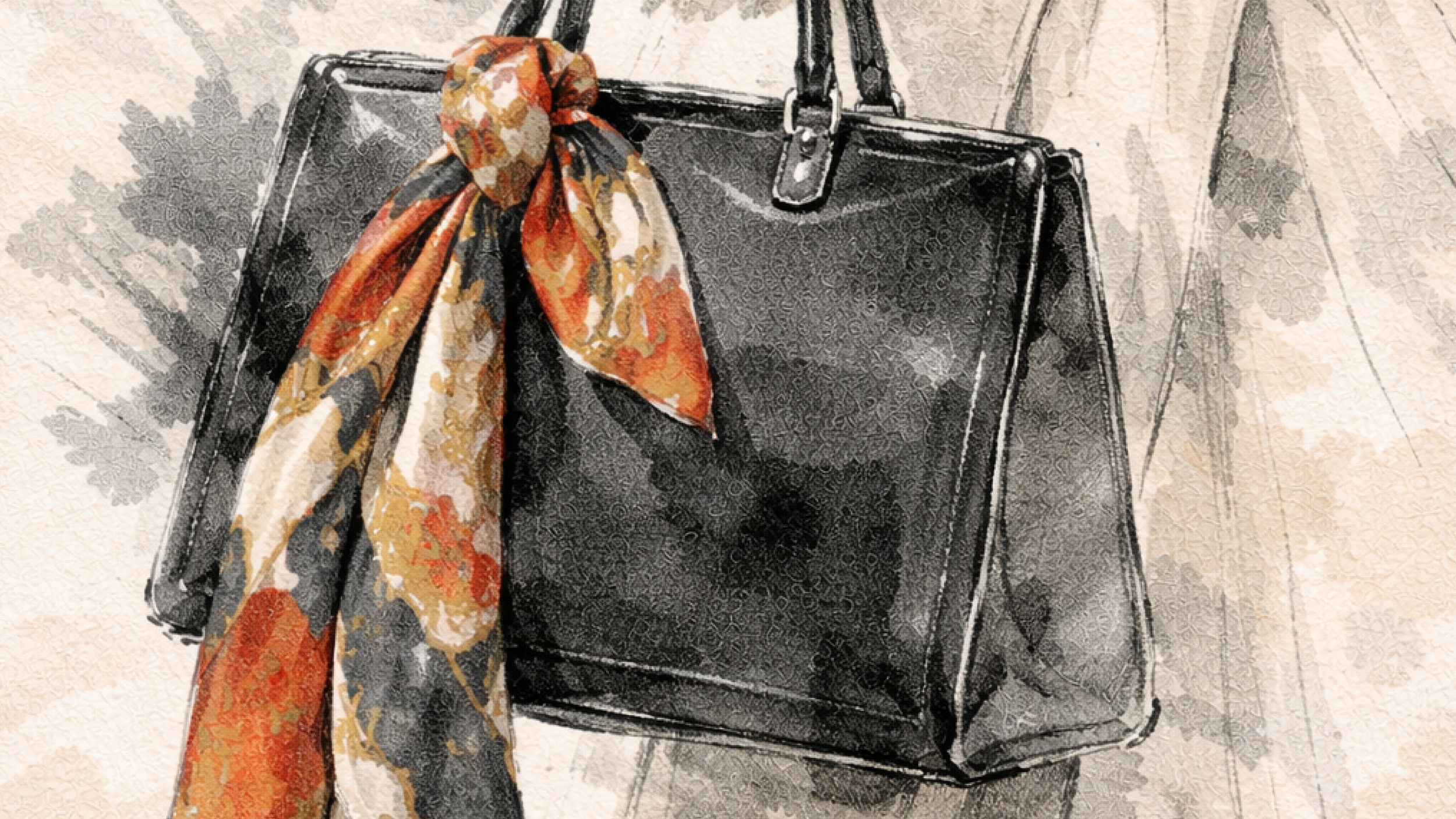
4. The Handle Wrap: Extending the Look Beyond the Body
Transformation does not have to occur only on the coat itself. Wrapping a silk scarf around the handle or strap of a bag worn with the coat extends the visual language outward, creating a cohesive, considered look.
This technique is often overlooked, yet it is one of the most effective ways to tie an outfit together. The scarf becomes a connector, linking outerwear, accessories, and movement. As the wearer walks, the silk shifts subtly, catching light and echoing the colours near the face or waist.
From a styling perspective, this approach is highly adaptable. It works with structured leather totes, relaxed canvas bags, and even evening clutches. The key is proportion. A small scarf wrapped tightly offers precision. A larger scarf tied loosely introduces drama.
In branding imagery, this placement is particularly valuable. It allows the scarf to appear in lifestyle contexts without dominating the frame. It feels lived in, suggesting ownership rather than performance.
There is also a practical elegance here. The scarf remains accessible, ready to be repurposed as weather changes or settings shift. Luxury, in this sense, is responsive.
Why the Silk Scarf Endures
Across these four methods, a pattern emerges. The silk scarf succeeds not because it is decorative, but because it is adaptable. It operates at the intersection of art, utility, and identity.
Silk itself carries meaning. Its production demands precision. Its surface rewards close attention. When used thoughtfully, it elevates without overwhelming. In an era increasingly concerned with longevity and authorship in dress, the silk scarf offers a compelling answer.
For the wearer, it restores agency. One coat can speak in multiple voices. For brands, it reinforces the value of design that transcends seasonality. And for culture at large, it reminds us that transformation need not be loud to be profound.
The next time a coat feels static, resist the urge to replace it. Instead, reframe it. A single silk scarf, chosen with care and worn with intention, is often all that is required.