
The Power of Accessories: How a Silk Scarf Can Elevate Any Outfit
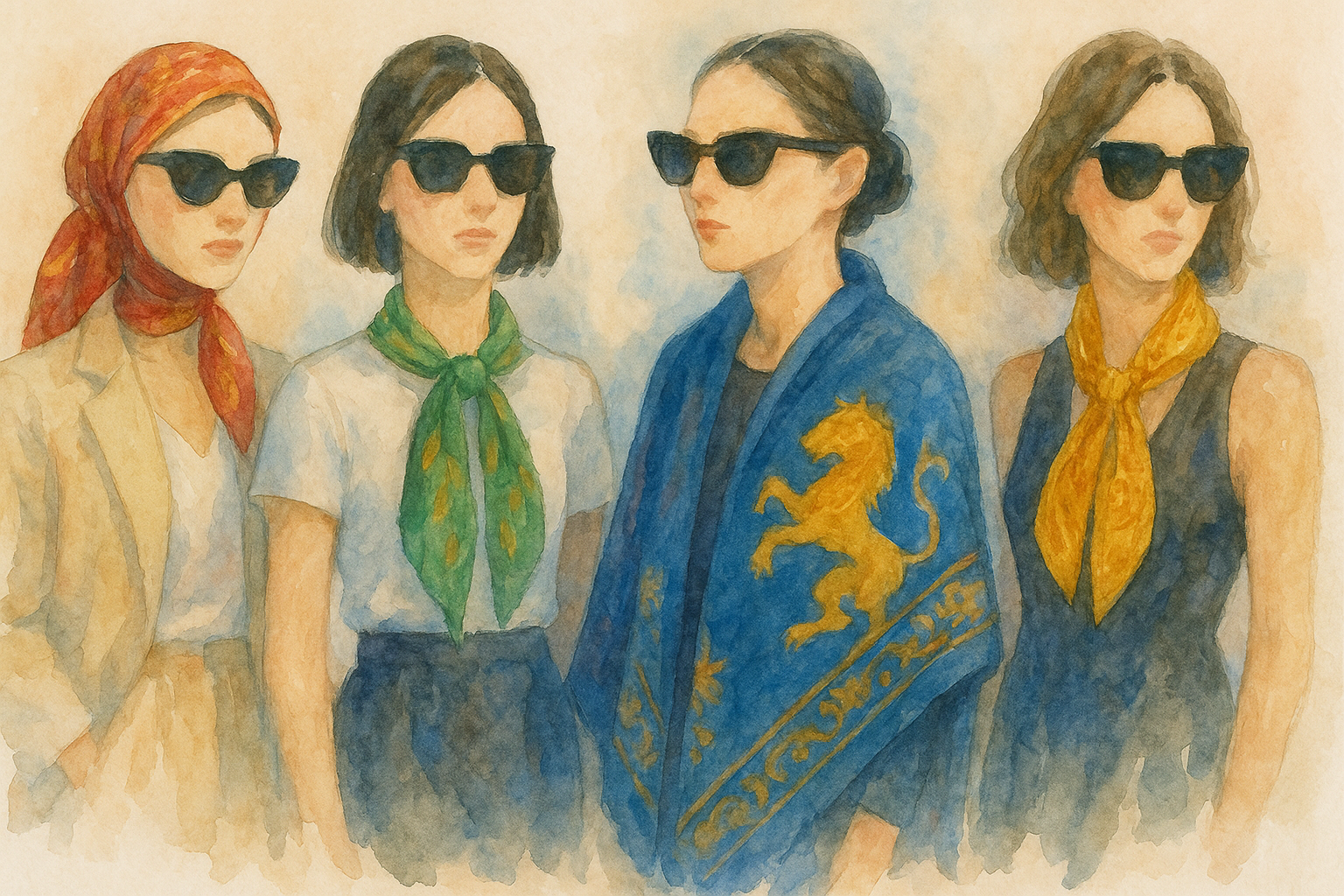
Why the smallest details often make the biggest impact
Fashion is often discussed in terms of silhouettes, fabrics, seasons and trends, but the true language of personal style is spoken through details. Accessories are where individuality lives. They are the quiet signals that communicate taste, confidence and intent. Among them all, the silk scarf holds a unique position. It is neither purely functional nor purely decorative. It sits somewhere more interesting, acting as a bridge between clothing and self expression. When chosen well, a silk scarf does not simply complete an outfit. It elevates it.
This article explores the power of accessories through the lens of the silk scarf. From a cultural, stylistic and branding perspective, it examines why this single piece of fabric continues to carry such influence in wardrobes across generations. We will look at how silk scarves shape perception, create emotional connection and deliver everyday luxury without excess. More importantly, we will consider why they remain one of the most effective tools for building a recognisable, personal style.
Accessories as the architecture of style
Clothing forms the structure of an outfit, but accessories define its character. Without them, even the most expensive garments can feel unfinished or anonymous. Accessories add punctuation. They introduce contrast, rhythm and nuance. A belt sharpens a silhouette. Jewellery draws the eye. Shoes set the tone. And a scarf, when worn with intention, ties everything together.
From a styling perspective, accessories perform three critical functions. First, they personalise. Two people can wear the same dress and look entirely different depending on how they accessorise it. Second, they extend the life of a wardrobe. A simple outfit can be reimagined endlessly through different accessory choices. Third, they communicate meaning. Accessories often carry stories, memories and emotional weight that clothing alone rarely achieves.
The silk scarf excels at all three.
The silk scarf as a cultural icon
The silk scarf has travelled through centuries without losing relevance. Historically, it has symbolised status, refinement and craftsmanship. Silk itself has always been associated with rarity and care. Its production demands patience, skill and precision. When transformed into a scarf, silk becomes wearable art, fluid and expressive rather than rigid or formal.
In the twentieth century, the silk scarf evolved into a cultural shorthand for elegance. It appeared in cinema, travel photography and editorial fashion spreads, often worn by women who embodied confidence and autonomy. Over time, it became less about rules and more about expression. Wrapped around the neck, tied in the hair, draped over shoulders or knotted onto a handbag, the silk scarf proved endlessly adaptable.
That adaptability is key to its enduring power.
How a silk scarf transforms an outfit
A silk scarf has an unusual ability to elevate even the simplest clothing. A plain white shirt and tailored trousers become intentional when paired with a scarf that introduces colour and movement. Knitwear gains polish. Outerwear gains softness. Evening wear gains depth.
This transformation happens on multiple levels.
Visually, silk catches light differently to most fabrics. It reflects softly, adding dimension without shine. Patterned scarves introduce narrative and artistry, breaking up flat planes of colour. Even a monochrome scarf adds texture and flow that changes how an outfit is perceived.
Emotionally, a silk scarf signals care. It suggests the wearer has thought about how they present themselves, not in a performative way, but in a considered one. It feels deliberate yet effortless, which is the essence of modern luxury.
Practically, it offers flexibility. One scarf can move from day to evening, casual to formal, winter to summer. Few accessories offer that level of return.
The psychology of finishing touches
From a branding and consumer behaviour perspective, finishing touches matter because they create completeness. Humans are wired to seek resolution. An outfit that feels finished is more satisfying, both to wear and to observe.
Accessories provide that resolution. They frame the face, balance proportions and guide the eye. A silk scarf worn at the neckline naturally draws attention upward, creating a sense of presence and poise. This is one reason scarves are so often associated with confidence. They anchor the outfit around the wearer rather than letting the clothes dominate.
There is also an element of ritual involved. Tying a scarf is a small act of self styling. It invites pause. That moment of choice and adjustment builds emotional attachment to the item itself. Over time, scarves become familiar companions rather than disposable trends.
Craftsmanship and perceived value
Not all accessories are equal. A silk scarf derives much of its power from craftsmanship. The quality of the silk, the weight, the finish of the edges and the integrity of the print all contribute to how it feels and how it lasts.
Hand rolled hems, for example, are not immediately obvious to the casual observer, but they subtly change how a scarf drapes and wears. They also signal care in production. For the wearer, this translates into perceived value. The scarf feels special, and that feeling carries into the outfit as a whole.
In luxury branding, this is critical. Products that combine beauty with evidence of human skill create stronger emotional bonds. They are not easily replaced, and they resist becoming obsolete.
Versatility as modern luxury
Modern consumers are increasingly selective. They value versatility, longevity and meaning over accumulation. The silk scarf fits neatly into this shift. It is seasonless. It adapts to changing lifestyles. It works across age groups and style preferences.
From a marketing perspective, this makes the silk scarf an ideal gateway product. It introduces a brand’s aesthetic, values and storytelling in a form that feels accessible yet elevated. For the wearer, it becomes a daily touchpoint with beauty, rather than an occasional indulgence.
Styling versatility also encourages experimentation. The same scarf can be worn traditionally one day and creatively the next. This sense of play keeps the item relevant and engaging over time.
Storytelling through design
What truly sets a silk scarf apart from other accessories is its capacity for storytelling. Through illustration, pattern and colour, scarves can reference landscapes, literature, memory and mood. They allow wearers to carry art with them, integrated into daily life rather than confined to walls or pages.
This narrative quality deepens emotional connection. A scarf with a story invites conversation. It becomes recognisable. It reflects the wearer’s sensibility rather than simply their purchasing power.
In branding terms, this is powerful. Products that tell stories are more likely to be remembered, shared and cherished. They transcend trend cycles because their value is not purely visual.
Everyday elegance without excess
One of the most compelling qualities of a silk scarf is its restraint. It elevates without overwhelming. It adds interest without demanding attention. This aligns perfectly with contemporary ideas of quiet luxury, where refinement is felt rather than announced.
Unlike statement accessories that dominate an outfit, a silk scarf integrates. It supports rather than competes. This makes it particularly appealing to women who value elegance that feels natural and lived in.
From a sustainability perspective, this restraint also matters. Pieces that are worn often, styled in multiple ways and kept for years reduce the need for constant replacement. In this sense, the silk scarf is not only beautiful but responsible.
The silk scarf as a personal signature
Over time, accessories become signatures. People are remembered for how they wear things, not just what they wear. A silk scarf lends itself to this kind of identity building. Whether always tied at the neck, worn loose, or incorporated into hair or bags, it becomes part of a visual language.
This consistency builds confidence. When you know what works for you, getting dressed becomes intuitive rather than effortful. The silk scarf plays a quiet but influential role in that process.
Why the silk scarf endures
The power of accessories lies in their ability to transform, personalise and complete. Among them, the silk scarf remains unmatched in its versatility, emotional resonance and stylistic impact. It elevates outfits not through excess, but through intention. It carries craftsmanship, story and beauty in a form that fits effortlessly into everyday life.
In a world of fast trends and fleeting statements, the silk scarf endures because it offers something deeper. It invites expression without noise. It rewards care. And it reminds us that sometimes, the smallest details are the ones that matter most.