
How to Wear Silk in Winter: Warm, Refined and Effortless Style
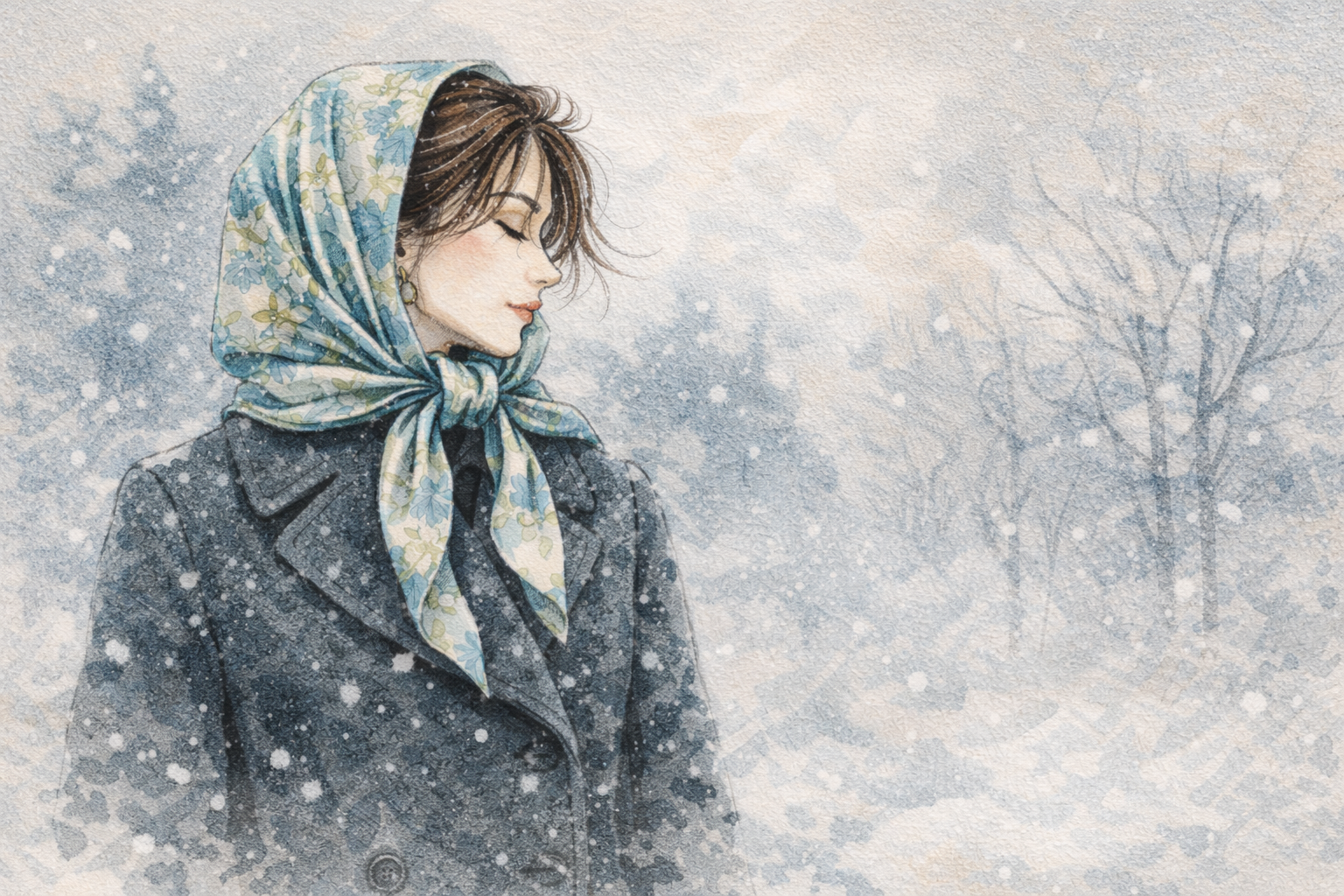
Why the most delicate fabric in fashion may be the smartest cold weather choice
Silk has long been filed away in the collective imagination as a fair weather indulgence. Light, fluid, luminous. Something to be worn when the sun is out and the pace of life slows. Winter, by contrast, is thought to belong to wool, tweed, cashmere and the reassuring heft of layers built for endurance rather than elegance. Yet this division has always been a little lazy. Silk is not only compatible with winter dressing, it is quietly exceptional at it.
To understand how to wear silk in winter is to understand clothing as a system rather than a series of isolated pieces. It is about temperature regulation rather than bulk, refinement rather than insulation for its own sake, and confidence rather than compliance with seasonal rules. Silk does not shout warmth, but it delivers it. And it does so while elevating everything around it.
This article explores how silk functions in cold weather, why it has been underestimated, and how to wear it in a way that feels modern, intelligent and effortless. Not as a novelty, but as a considered part of a winter wardrobe built for real life.
Silk’s hidden strength lies in its structure. The fibre is made from long, continuous protein filaments that trap air while remaining remarkably breathable. This combination allows silk to regulate temperature rather than simply retain heat. In cold conditions it helps maintain warmth close to the body, while preventing the clamminess that often comes from synthetic layers or overly dense knits. This is why silk has historically been used in extreme environments, from early aviation to polar expeditions, despite its reputation for fragility.
In branding terms, silk’s winter potential suffers from a perception gap. Consumers associate warmth with thickness and weight, even though performance fabrics have long challenged that assumption. Silk sits at an interesting intersection. It offers technical benefits wrapped in cultural symbolism. Luxury without ostentation. Performance without spectacle. This makes it particularly resonant today, when taste is increasingly defined by discernment rather than display.
The most effective way to wear silk in winter is as a foundational layer. A silk camisole, vest or long sleeve base beneath knitwear adds warmth without altering the silhouette. Unlike cotton, which holds moisture, or synthetics, which can trap heat unevenly, silk adapts. It becomes a second skin. The effect is subtle but cumulative. A fine gauge merino sweater suddenly feels more comfortable outdoors. A tailored jacket gains softness against the body. The wearer feels composed rather than bundled.
Scarves, of course, are where silk truly comes into its own. A winter silk scarf does not replace wool, it complements it. Worn at the neck beneath a heavier outer layer, silk reduces friction, prevents irritation, and adds a layer of insulation exactly where heat loss is greatest. There is also an aesthetic advantage. Silk introduces colour, pattern and movement into an otherwise muted winter palette. It catches light differently from matte fabrics, creating contrast without aggression.
The way a silk scarf is tied in winter matters. This is not about decorative knots or theatrical flourishes. A simple drape, tucked neatly into a coat or knit, allows the fabric to sit close to the body while remaining visible. The result feels intentional rather than styled. It signals confidence. You are not dressing to be noticed, but you are not hiding either.
Silk also performs beautifully when layered with traditional winter materials. Against tweed it softens texture. With cashmere it adds clarity. Under heavy wool it creates ease of movement. These pairings are not accidental. They reflect centuries of textile evolution, where silk was often used as lining or understructure in garments designed for colder climates. Modern dressing has simply forgotten this logic.
From a cultural perspective, silk in winter aligns with a broader shift towards intelligent luxury. Consumers are increasingly drawn to pieces that work harder and last longer. They want garments that feel considered, not seasonal. Silk fits this mindset perfectly. A well made silk scarf or blouse does not expire with the calendar. It transitions. It adapts. It accumulates meaning over time.
Colour choice plays a crucial role. Winter silk does not need to be dark, but it should feel grounded. Deep greens, inky blues, warm neutrals and muted jewel tones sit comfortably alongside winter tailoring. Pattern should be approached with restraint. Classic motifs, archival references, or abstract designs with a limited palette tend to integrate more seamlessly than high contrast prints designed for summer dressing.
There is also a psychological dimension to wearing silk in winter that is often overlooked. Winter dressing can become defensive. Clothes are chosen to shield rather than express. Silk reintroduces pleasure into the equation. The sensation of the fabric against the skin, the way it moves, the quiet confidence it brings, all contribute to a more positive relationship with cold weather. This matters. Clothing affects behaviour. Comfort breeds poise.
For men, silk in winter is particularly underutilised. A silk neck scarf worn with a tailored coat is one of the most enduring gestures of British elegance. It communicates restraint, cultural literacy and a refusal to follow trends blindly. Silk pocket squares, worn sparingly, can achieve a similar effect. Not as decoration, but as punctuation.
For women, silk offers versatility without compromise. A silk blouse layered under a wool blazer, a silk skirt worn with boots and knitwear, or a silk scarf used as both insulation and accent. These are not statements, they are solutions. They allow winter wardrobes to remain fluid rather than formulaic.
Care is often cited as a barrier to wearing silk year round. In reality, modern silk is more resilient than many assume. Proper storage, gentle cleaning and mindful wear extend its life significantly. More importantly, investment pieces invite care. They slow consumption. From a sustainability perspective, this shift from disposable fashion to considered ownership is critical.
Brands that position silk as a year round fabric are tapping into something deeper than seasonal styling advice. They are reframing luxury as intelligence. As understanding. As the ability to choose materials that serve both body and mind. This is a powerful narrative, particularly in a market saturated with novelty.
Wearing silk in winter is not about defying convention for its own sake. It is about recognising that true elegance is rarely obvious. It operates quietly, efficiently, and with purpose. Silk does not need to be justified by temperature charts or trend cycles. It earns its place through performance, history and feel.
In the end, the question is not whether silk belongs in winter. It always has. The real question is whether we are ready to dress with enough confidence to wear it there.