
Silk Scarves / People
50 people who shaped
the silk scarf
An illustrated history of silk scarves through the designers, artists, makers and wearers who changed them.
A silk scarf carries more than a house name. There is a designer in its lines, a printer in its colours and a long material history in its folds. This illustrated selection follows fifty people whose work, patronage or public style helped shape that story.
The selection follows the scarf from the silk mill to the drawing studio and into the wardrobe, with references for every profile and credit for the people behind the label.
Explore all 50 names
- Alexander McQueen
- Alice Shirley
- Aline Honoré
- Annie Faivre
- Arthur Lasenby Liberty
- Audrey Hepburn
- Bali Barret
- Caty Latham
- Christiane Vauzelles
- Daiske Nomura
- Damien Hirst
- Daniel Buren
- Dimitri Rybaltchenko
- Elizabeth II
- Elsa Schiaparelli
- Emilio Pucci
- Françoise de La Perrière
- Fulvia Ferragamo
- Geneviève Fontan
- Grace Kelly
- Henri Matisse
- Henri d’Origny
- Henry Moore
- Hiroshi Sugimoto
- Hugo Grygkar
- Jan Bajtlik
- Jean-Louis Dumas
- Jim Thompson
- Josef Albers
- Joseph Marie Jacquard
- Julio Le Parc
- Kermit Oliver
- Lida Ascher
- Louis Pasteur
- Mariano Fortuny
- Paul Poiret
- Philippe Ledoux
- Pierre Marie
- Pierre-Alexis Dumas
- Raoul Dufy
- Robert Dallet
- Robert Dumas
- Rodolfo Gucci
- Salvador Dalí
- Sonia Delaunay
- Thomas Wardle
- Ugo Gattoni
- Vittorio Accornero
- Xavier de Poret
- Zika Ascher
The cloth
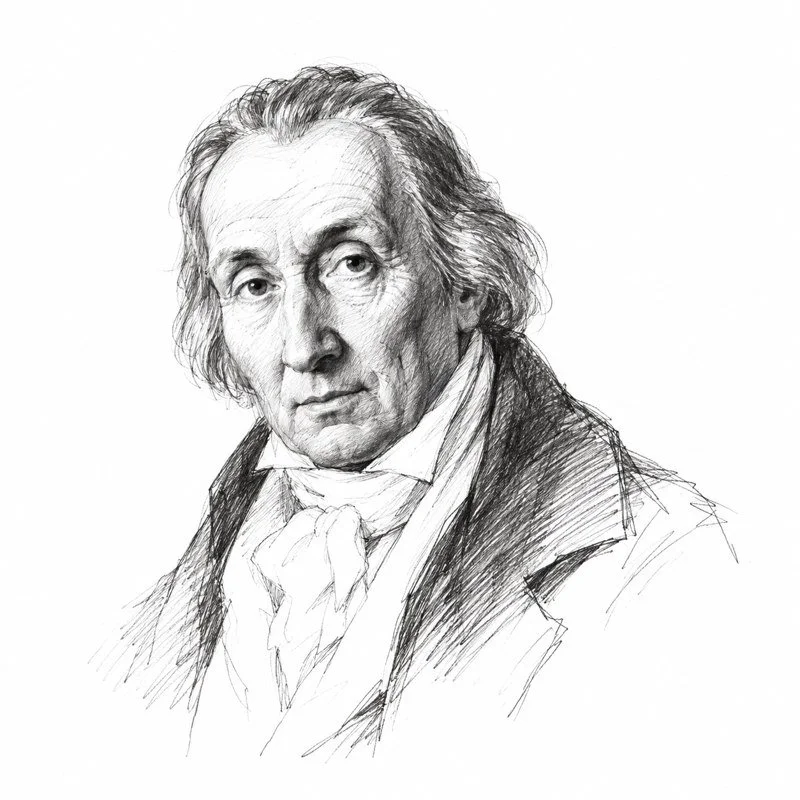
Joseph Marie Jacquard
Pattern, programmed
Jacquard’s punched-card mechanism transformed the production of intricate woven patterns, building on earlier inventions to make designs repeatable at greater speed. Long before a printed image reaches the silk, the loom determines the character of its surface. Jacquard belongs to that material history: the patterned ground, the woven motif and the possibilities contained in the cloth itself.
Reference: Science and Industry Museum
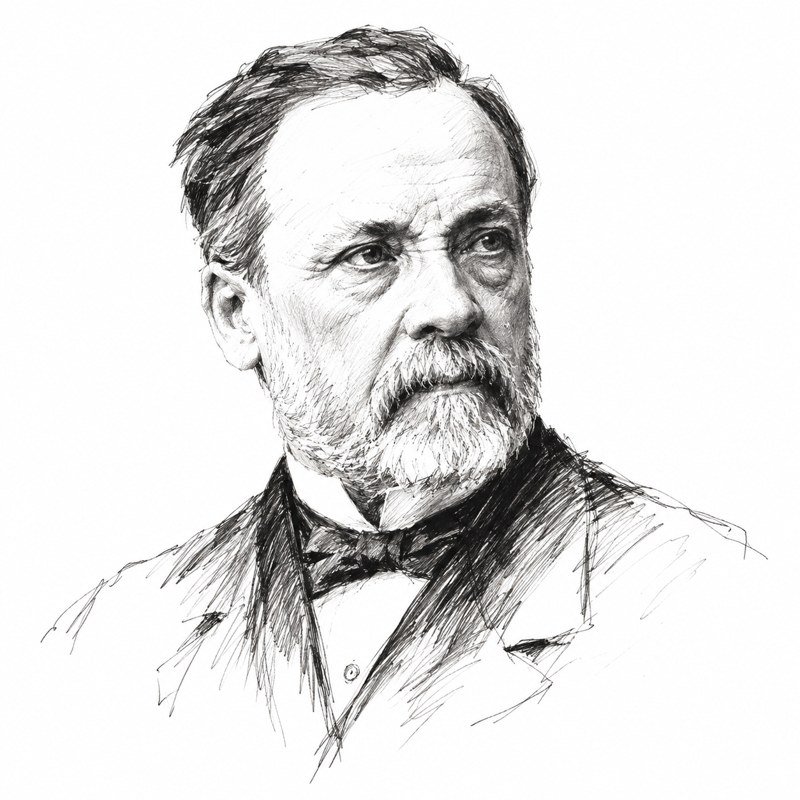
Louis Pasteur
Protecting the source of silk
Investigating disease in silkworms, Pasteur distinguished pébrine from flacherie and developed methods to help breeders avoid infected stock. His research protected the living source of silk at a moment when disease threatened its production. The elegant finished square begins here, with the health of a silkworm and the knowledge of the people who rear it.
Reference: Louis Pasteur — silkworm research and bibliography
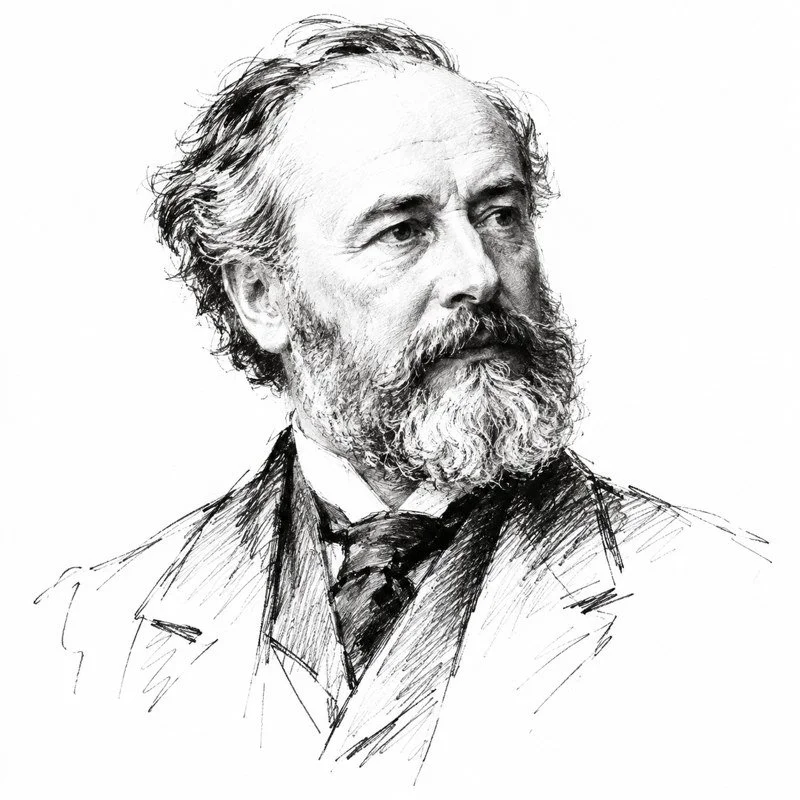
Thomas Wardle
The intelligence of colour
Wardle understood that a beautiful drawing was only the beginning. At his Staffordshire dyeworks, experiments with natural dyes and silk printing helped translate designs into cloth, including work with William Morris. His investigations into tussar silk belong within a much older Indian textile tradition. He earns his place through the difficult, often invisible business of getting colour into a fibre, and getting it right.
Reference: Arts & Crafts Hammersmith
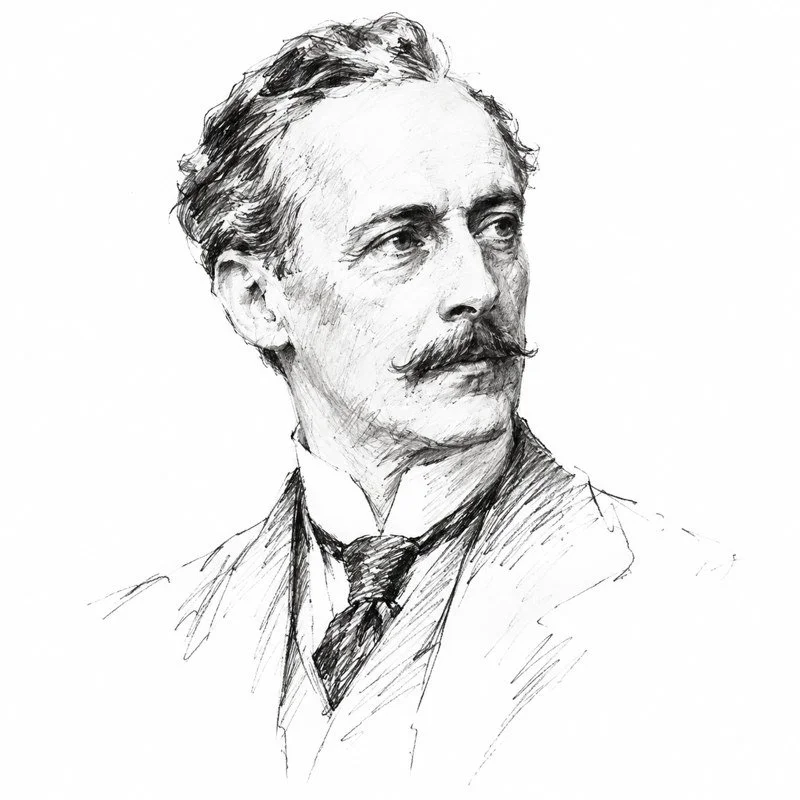
Arthur Lasenby Liberty
A public for beautiful textiles
A shop can change the way a country dresses. Arthur Lasenby Liberty built an audience for imported textiles and distinctive design, opening his London business in 1875. The name became inseparable from patterned cloth. His contribution is one of commissioning, retail and taste: creating the conditions in which the textile itself could command attention, rather than serving quietly beneath the cut of a garment.
Reference: Liberty — Our Heritage
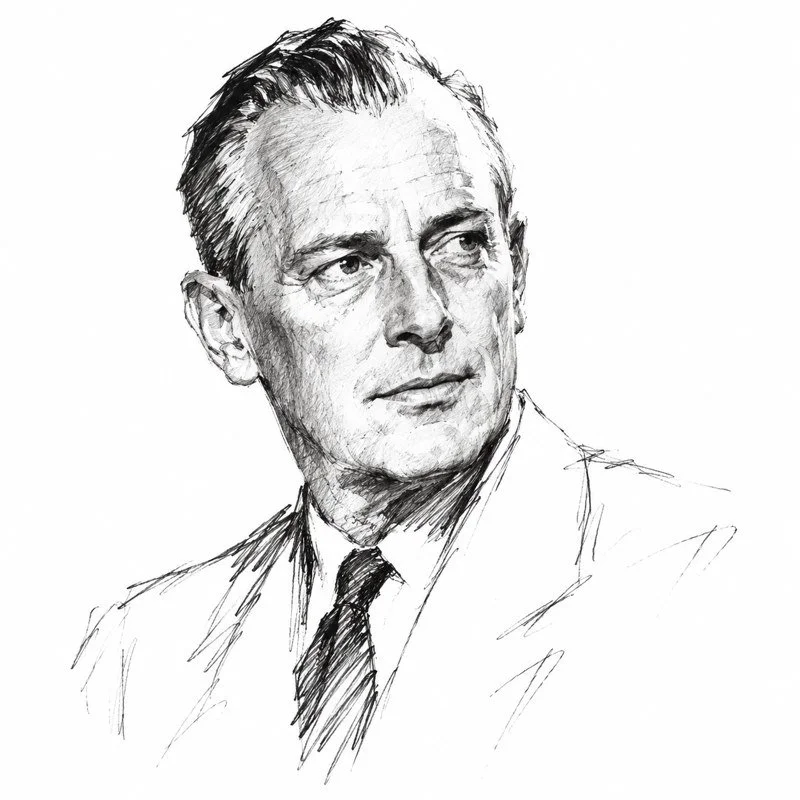
Jim Thompson
Thai silk, internationally seen
Thompson helped bring Thai silk to an international fashion audience, working with the skills of Bangkok’s weaving communities. His contribution was commercial and cultural: connecting an established craft to new markets and new attention. The weavers remain central to that story. To look at the silk associated with his name is to look at a partnership between local knowledge and an unusually persuasive advocate.
Reference: TIME — The Architect Who Changed the Thai Silk Industry
Design and art
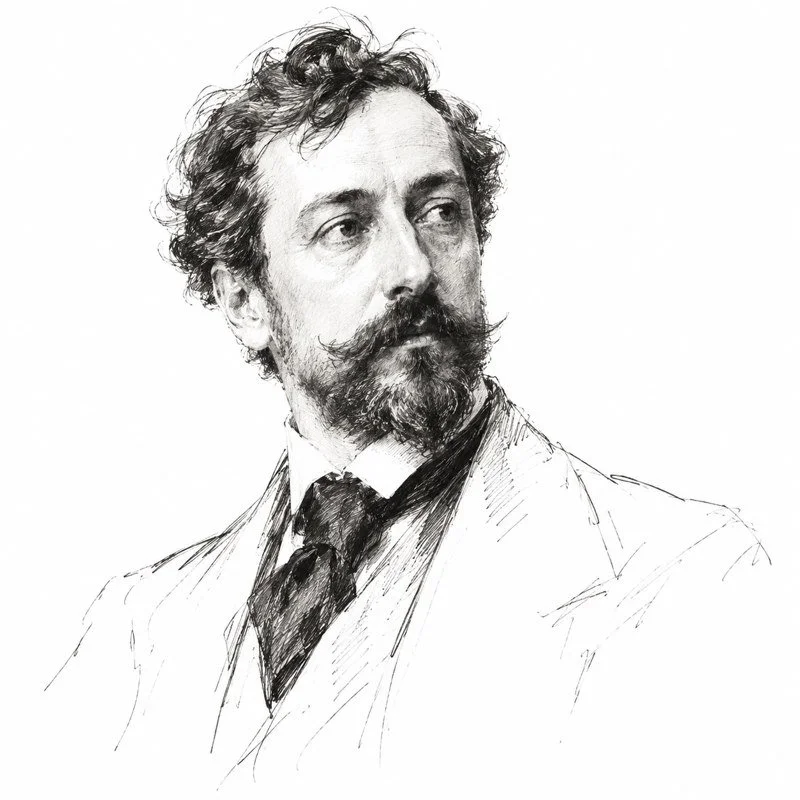
Mariano Fortuny
The scarf as a garment
Fortuny’s Knossos makes the neat little square seem a rather narrow definition of a scarf. Printed on silk taffeta and conceived on a generous scale, it drew on the draped garments of antiquity. Its importance lies in movement: a patterned length brought to life by the body. Here the scarf becomes the principal event, with colour, fall and gesture doing the work of tailoring.
Reference: Palazzo Fortuny — The Knossos
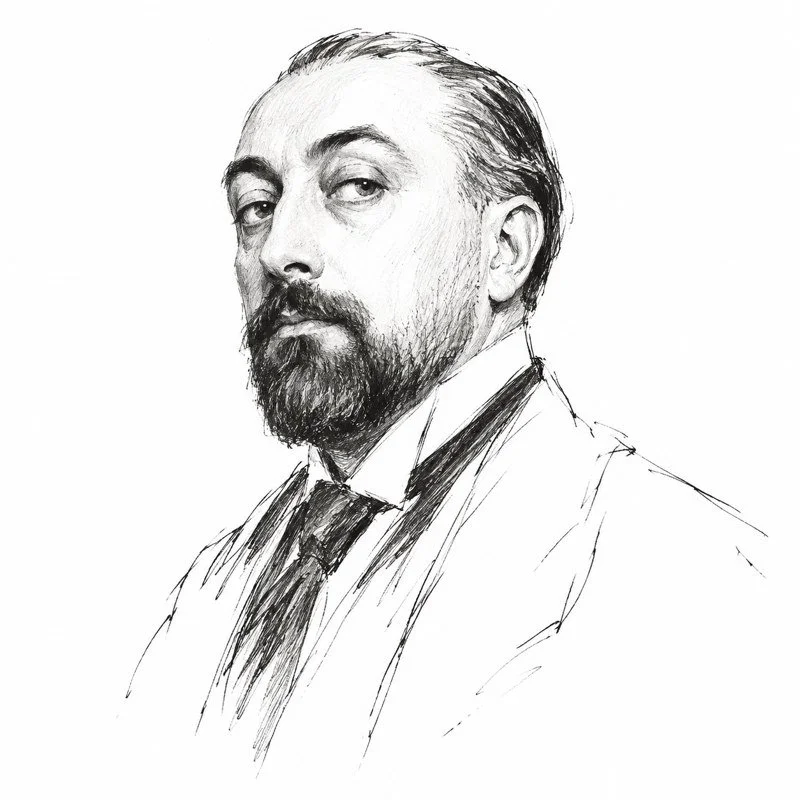
Paul Poiret
Opening couture to the artist
Poiret’s collaboration with Raoul Dufy began in 1911, bringing an artist’s hand into the making of fashionable textiles. His importance here is the commission: a couturier willing to let the drawing, as much as the cut, define what a woman wore.
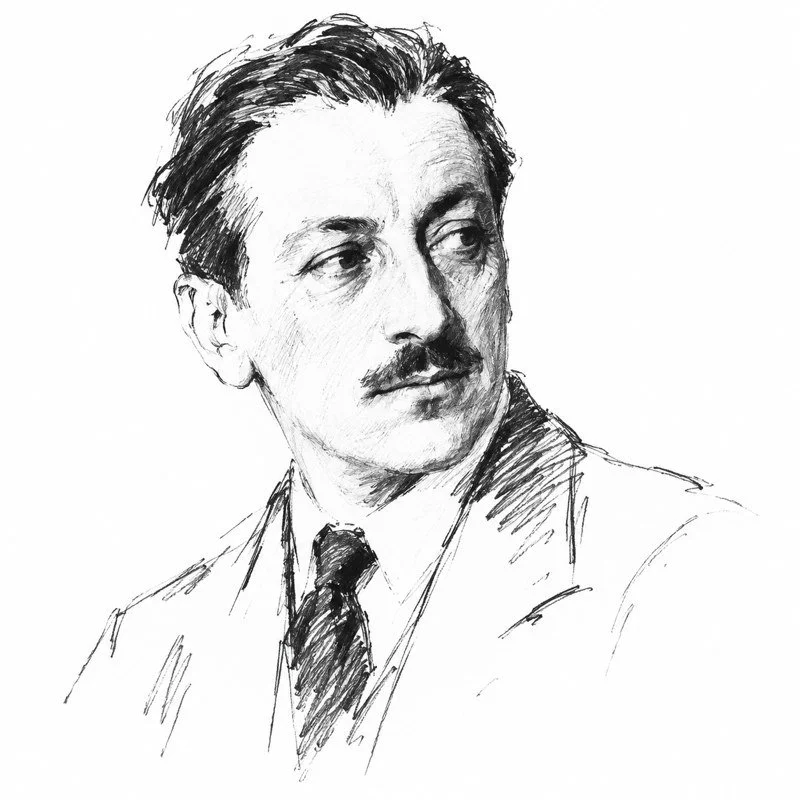
Raoul Dufy
Drawing made wearable
Working with Poiret and the silk manufacturer Bianchini-Férier, Dufy made textile design an extension of his artistic practice. The line retained its character when it left the studio. That exchange between painter and silk mill helped establish the ground on which the artist scarf would flourish.
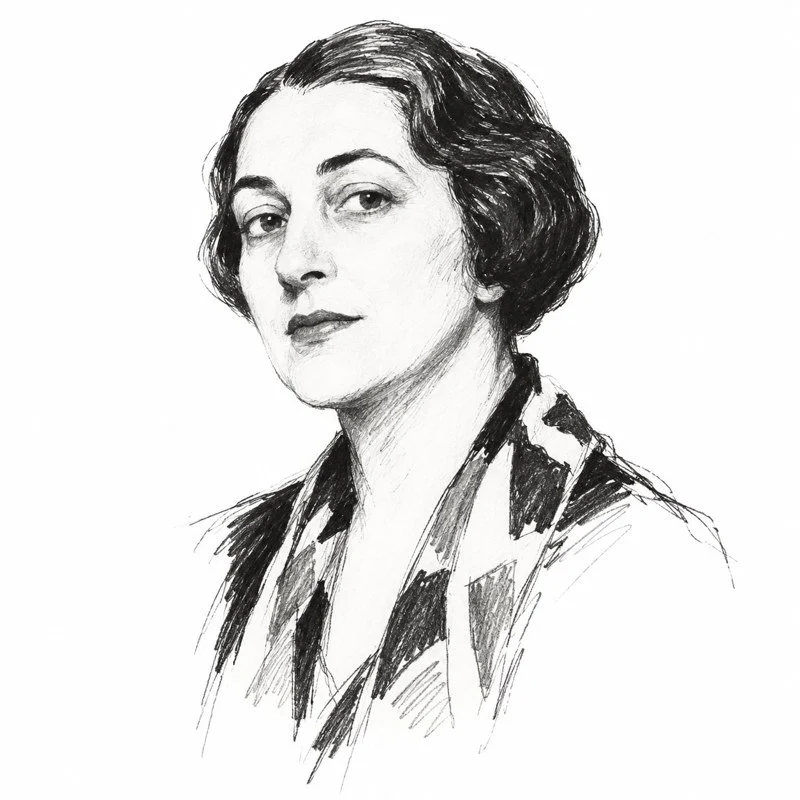
Sonia Delaunay
Colour in motion
For Delaunay, abstraction could be lived in. Her textiles and clothing carried the rhythmic relationships of colour into daily dress; the silk scarf was among those experiments. The significance is more than a recognisable geometric pattern. Folding, tying and moving a scarf continually rearranges its colours, making the wearer part of the composition. Few artists offer a more compelling explanation of why cloth is its own medium.
Reference: Le Monde — Sonia Delaunay’s fashion years
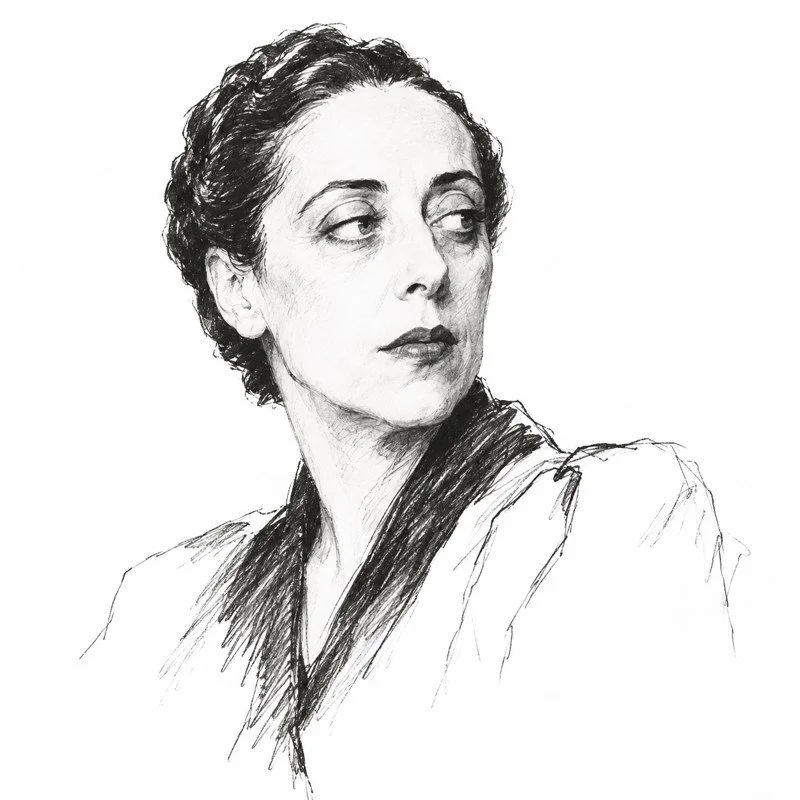
Elsa Schiaparelli
A scarf with something to say
Schiaparelli’s newspaper print turned publicity into pattern. Press clippings about her work became a textile in 1935, extending fashion’s appetite for wit into the surface of the clothes themselves. Her scarves belong to that larger refusal of the merely decorative. A silk accessory could carry an idea, a joke or an unexpected visual interruption, and still be entirely at home in a sophisticated wardrobe.
Reference: ASU FIDM Museum — Newsprint fashion
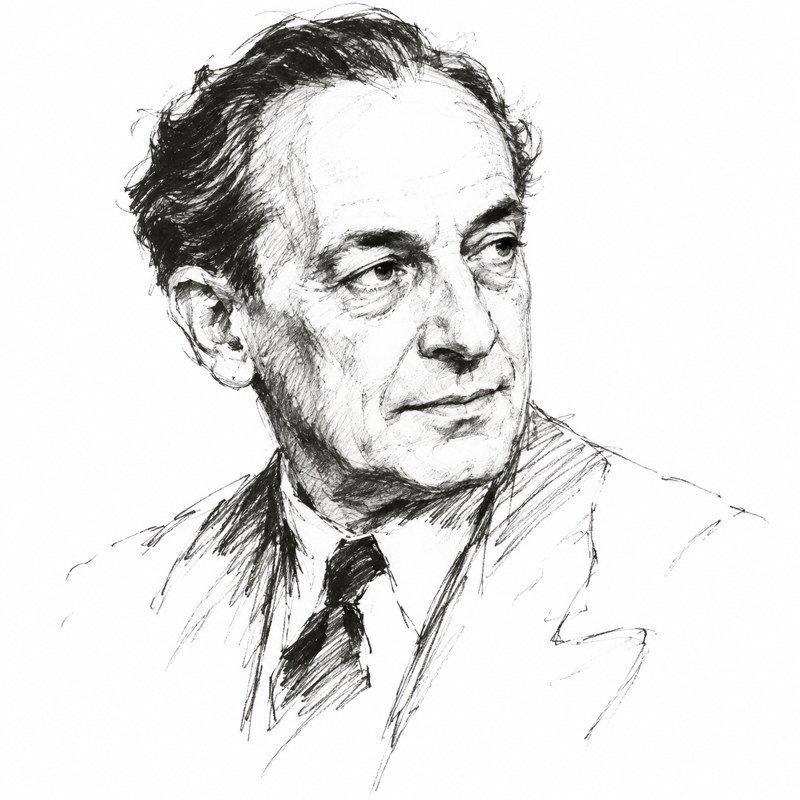
Zika Ascher
The art of commissioning
Ascher persuaded major artists to work on a scale that could be worn. His Artists’ Squares brought contemporary art into the scarf, supported by demanding printing and colour matching. The series was not exclusively silk: post-war shortages also led to rayon editions. That distinction makes the achievement more interesting, not less. The ambition was to make an artist’s vision travel beyond the gallery.
Reference: Ascher history and bibliography
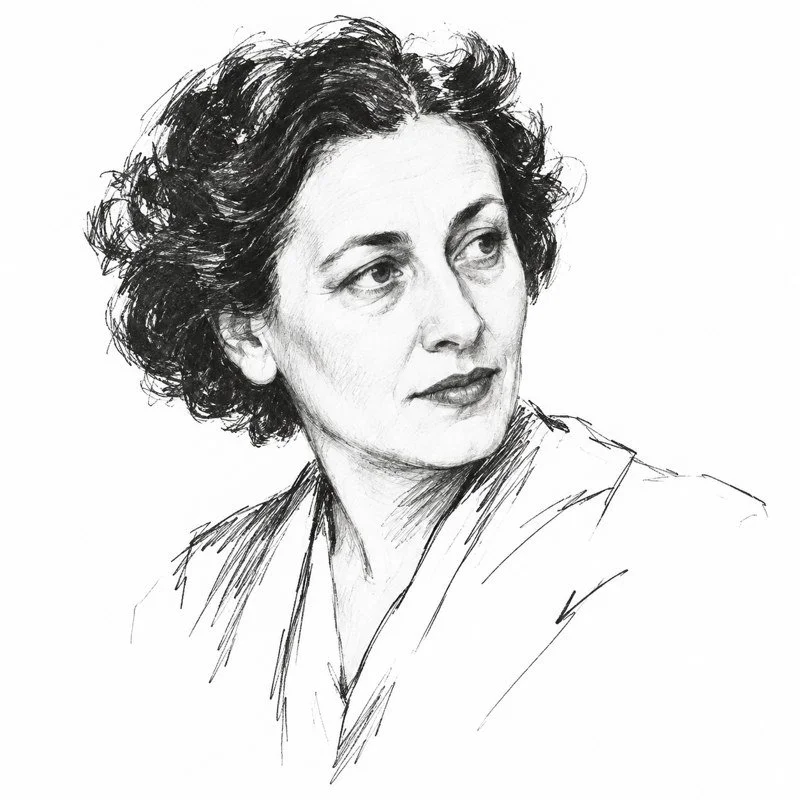
Lida Ascher
A creative partnership restored
The Ascher story has two founders. Lida established the London textile business with Zika and helped build the enterprise behind its celebrated artist collaborations. The V&A’s retrospective and accompanying catalogue recognised their work together. Naming her separately matters: a scarf reaches the world through decisions about cloth, colour and production as well as the drawing credited in its corner.
Reference: V&A exhibition catalogue — Ascher: Fabric, Art, Fashion
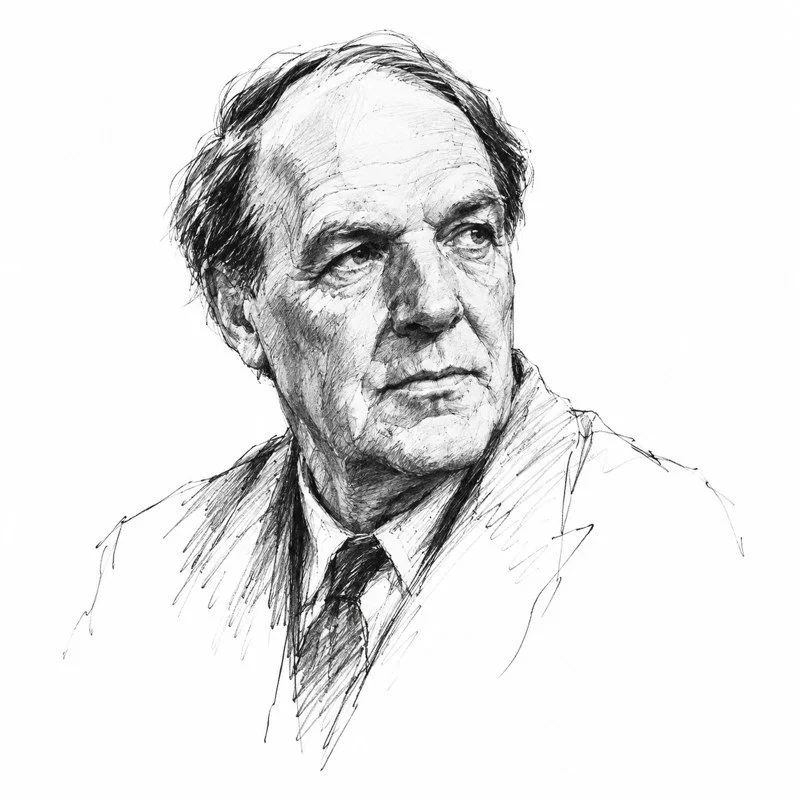
Henry Moore
Sculptural thinking on silk
Moore’s work for Ascher demonstrates that an artist’s scarf can be a serious experiment in another medium. The National Gallery of Victoria records Standing figures, a 1946 scarf screenprinted on silk twill. The body appears twice: in the drawing, and in the person who wears it. The scale may be intimate, but the questions of figure, space and rhythm remain those of the sculptor.
Reference: National Gallery of Victoria — Standing figures, scarf
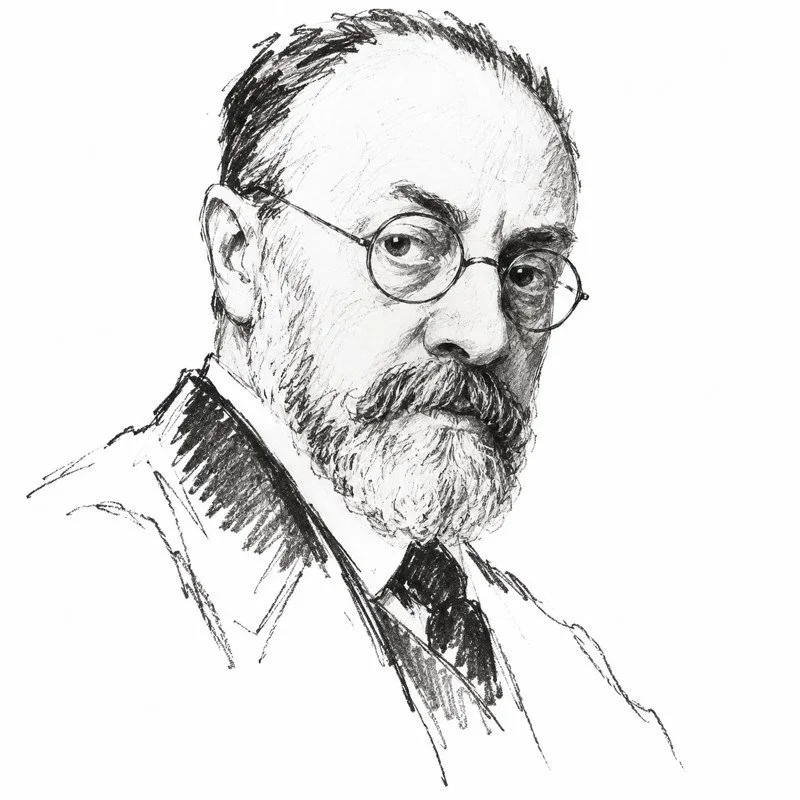
Henri Matisse
The artist’s square
Matisse’s scarf designs for Ascher belong to the post-war exchange between modern art and textile production. They should be distinguished from his larger decorative hangings, even when both arise from the same collaboration. His presence helped establish the scarf as a credible place for an artist’s work: an object to be folded and worn, with a visual identity capable of surviving that transformation.
Reference: The New Yorker — Shapes of Things
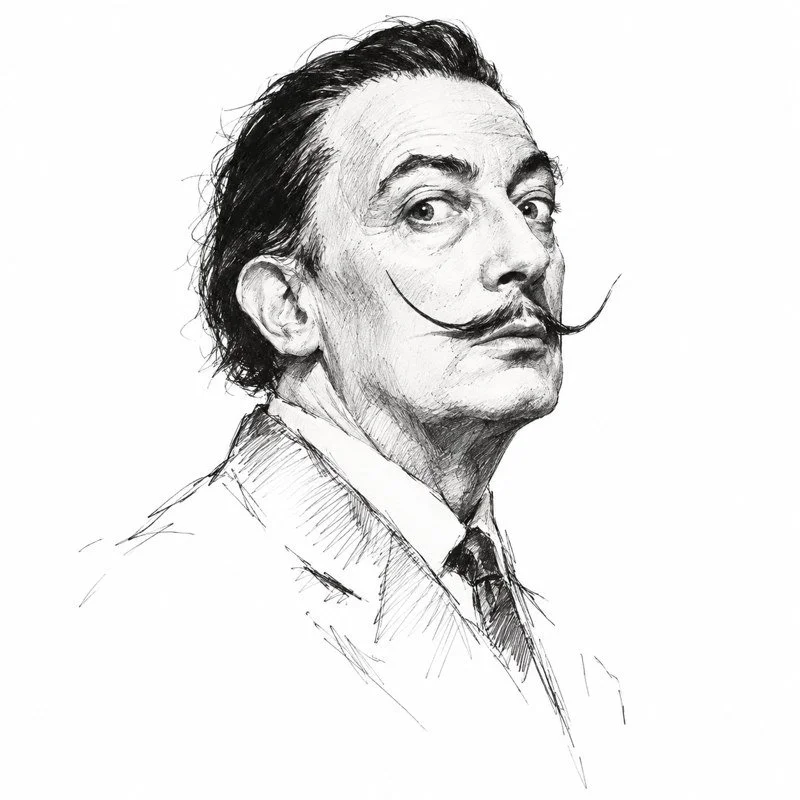
Salvador Dalí
Surrealism by the square
Dalí’s designs for Wesley Simpson carried Surrealism onto scarves in the 1940s. These were fashion objects developed in his lifetime, distinct from later museum merchandise reproducing his paintings. Their place in this history is the permission they gave to strangeness. A scarf could be pictorial, unsettling and playful; it did not need to behave like a conventional floral or a well-mannered border.
Reference: The Vintage Traveler — Wesley Simpson’s 1948 scarf advertisement
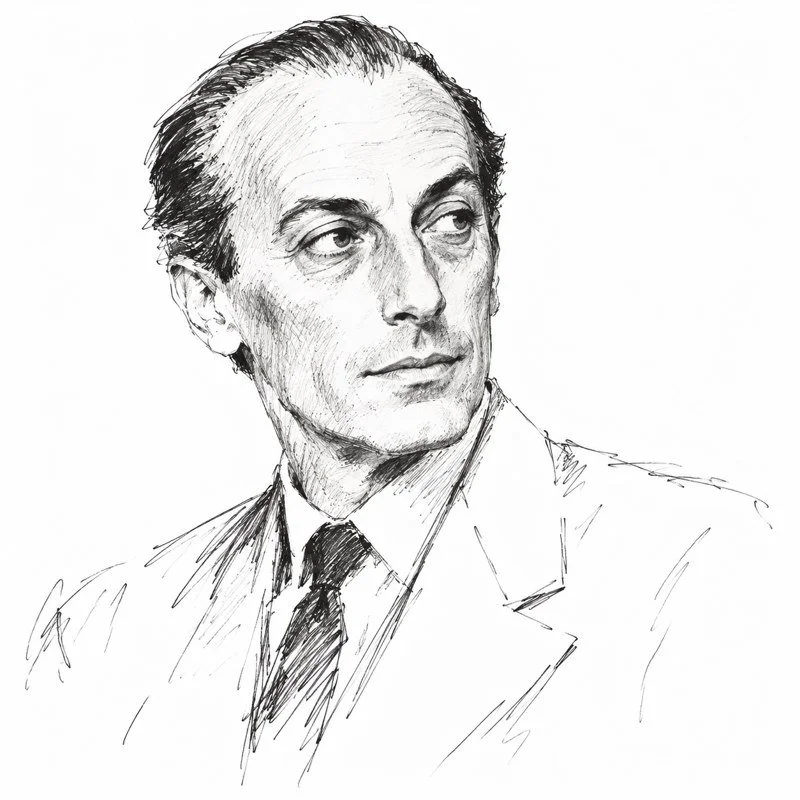
Emilio Pucci
A world recognised by its print
Pucci made print a complete fashion identity. His Battistero design, conceived in 1957, translated Florentine architecture into a distinctive composition and later returned as a scarf supporting restoration of the Baptistery. It is a useful way into his influence: place becomes pattern, and pattern becomes instantly recognisable dress. The silk square offers that visual world in its most concentrated form.
Vittorio Accornero
The hand behind Flora
Accornero is the illustrator behind Gucci’s Flora, created in 1966 for Princess Grace. Its flowers and small creatures form one of fashion’s most recognisable botanical compositions. The designer deserves to be named alongside the house. Flora’s endurance is also a lesson in the power of a particular drawing: a scarf design can become a visual inheritance, returned to and reinterpreted across generations.
Reference: SHOWstudio — The Gucci Artist You’ve Never Heard Of
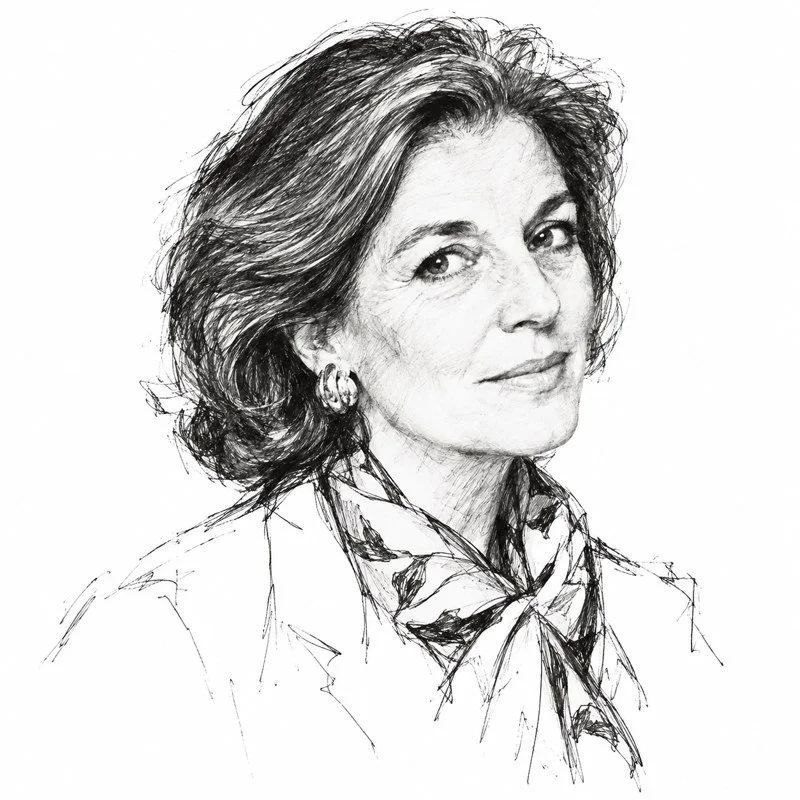
Fulvia Ferragamo
Building an archive of silk
Fulvia Ferragamo was the creative force behind Ferragamo’s silk development, shaping a world of animals, flowers, travel and references to the house’s shoes. The archive reveals the work behind that abundance: books, collages, drawings and production trials. Her contribution was sustained direction. She built a recognisable silk language through research and collaboration, giving the scarf an identity of its own within a house celebrated for footwear.
Reference: ITS — Fulvia Ferragamo’s silk legacy
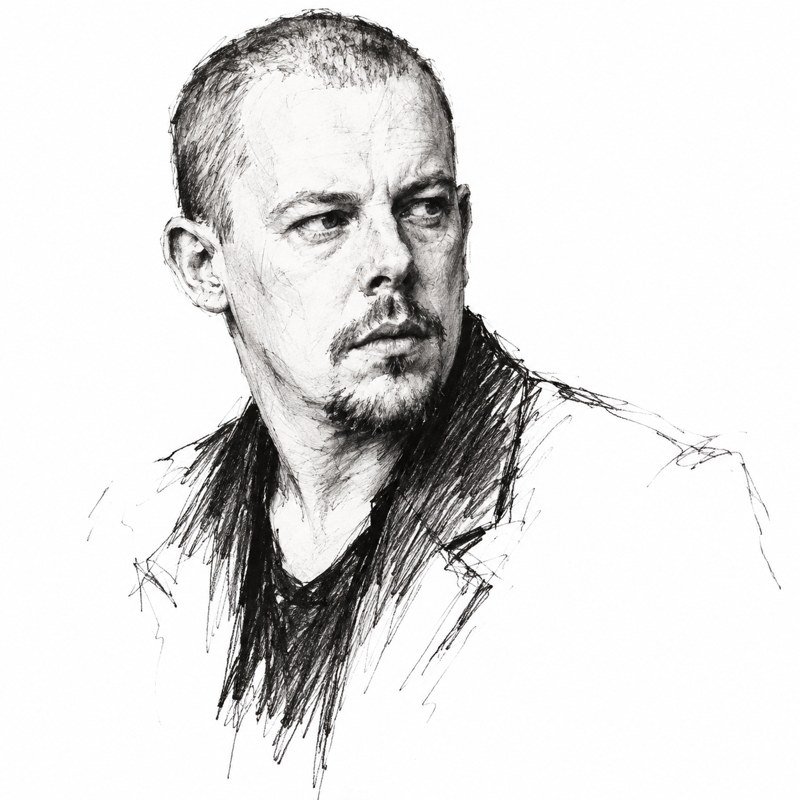
Alexander McQueen
A new scarf code
McQueen’s skull scarf gave the accessory a different cultural charge. Introduced in 2003, it brought a darker sensibility to an object so often associated with polished propriety. The design’s power lies in its immediate legibility: a repeated skull could communicate allegiance to a fashion world in a single glance. It remains a central example of a scarf becoming a signature in its own right.
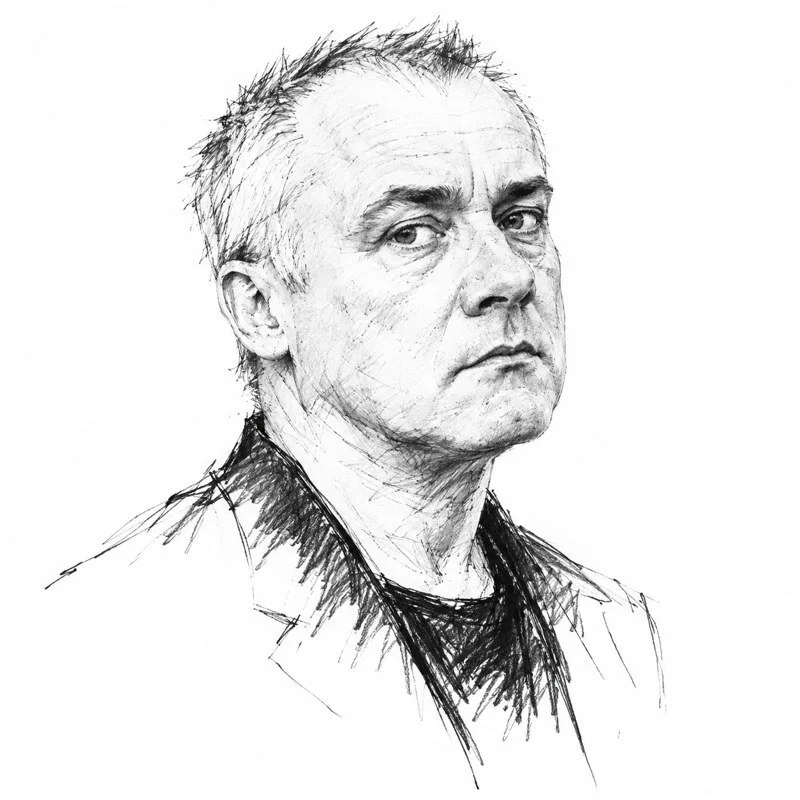
Damien Hirst
An anniversary made experimental
Hirst’s 2013 collaboration with Alexander McQueen marked ten years of the skull scarf. Thirty designs drew on his Entomology work, arranging insects into intricate, kaleidoscopic compositions. The project gave an established accessory a fresh visual argument. It also belongs to a longer scarf tradition: an artist and a fashion house meeting within a compact format, with the print carrying the conversation.
Reference: Alexander McQueen × Damien Hirst collection coverage
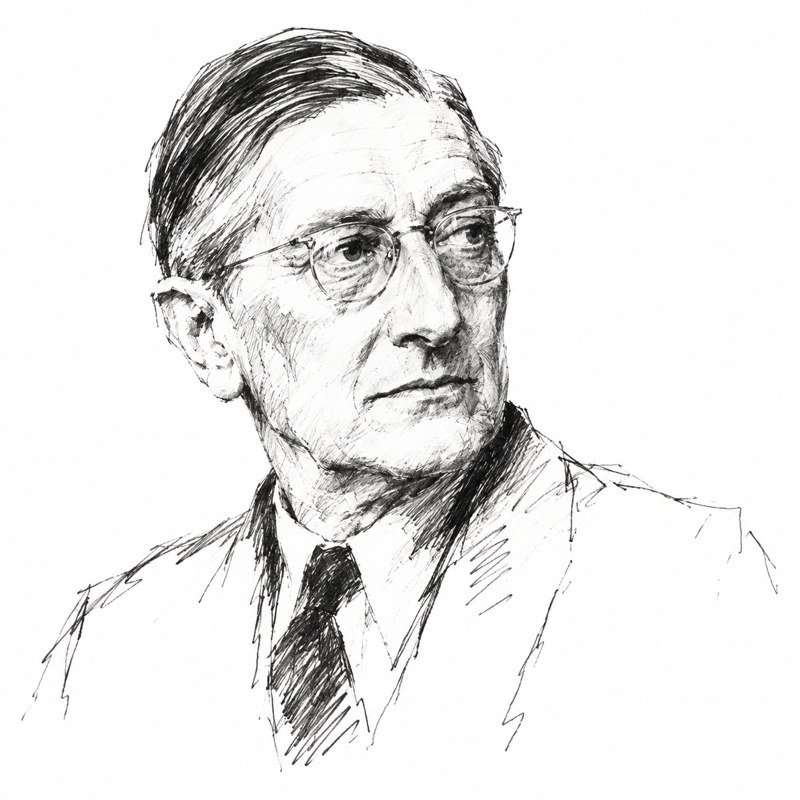
Josef Albers
Colour, precisely translated
Hermès’ posthumous editions after Albers’ Homage to the Square brought his colour relationships onto silk. The foundation records a printing method in which each ink met the white cloth directly, without overprinting another colour. His inclusion concerns the influence of the work and its careful translation, not a collaboration undertaken in his lifetime. The square became an unusually exact meeting of painting and scarf.
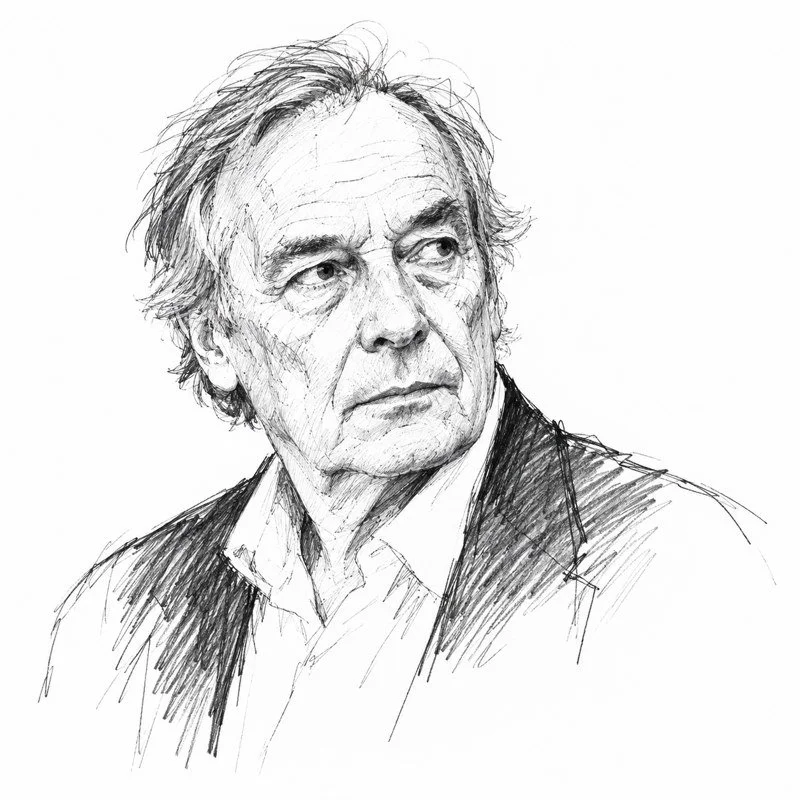
Daniel Buren
Photography enters the carré
Buren’s Photos-souvenirs au Carré brought photographs and his distinctive striped language into the Hermès Éditeur programme. The scarf became a place to consider an image’s framing as well as its content. His contribution is a conceptual one with a tangible result: the square can behave as an artist’s edition while remaining a piece of cloth, altered each time it is handled.
Reference: Daniel Buren — works and bibliography
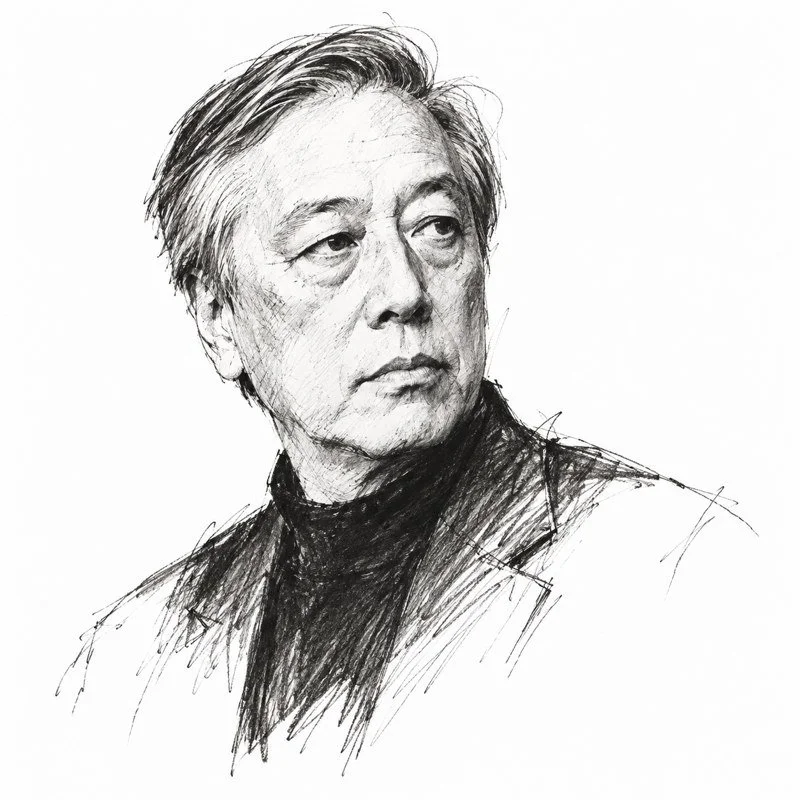
Hiroshi Sugimoto
Light made into cloth
For Couleurs de l’Ombre, Sugimoto’s photographic colour studies were translated into Hermès silk scarves. Their restraint expands the argument for the artist scarf: no figurative scene is required. Colour and the impression of light can carry the entire work. His contribution shows how demanding a seemingly simple surface can be, and how much a scarf can communicate through the relationships between its hues.
Reference: Hiroshi Sugimoto — Hermès collaboration and bibliography
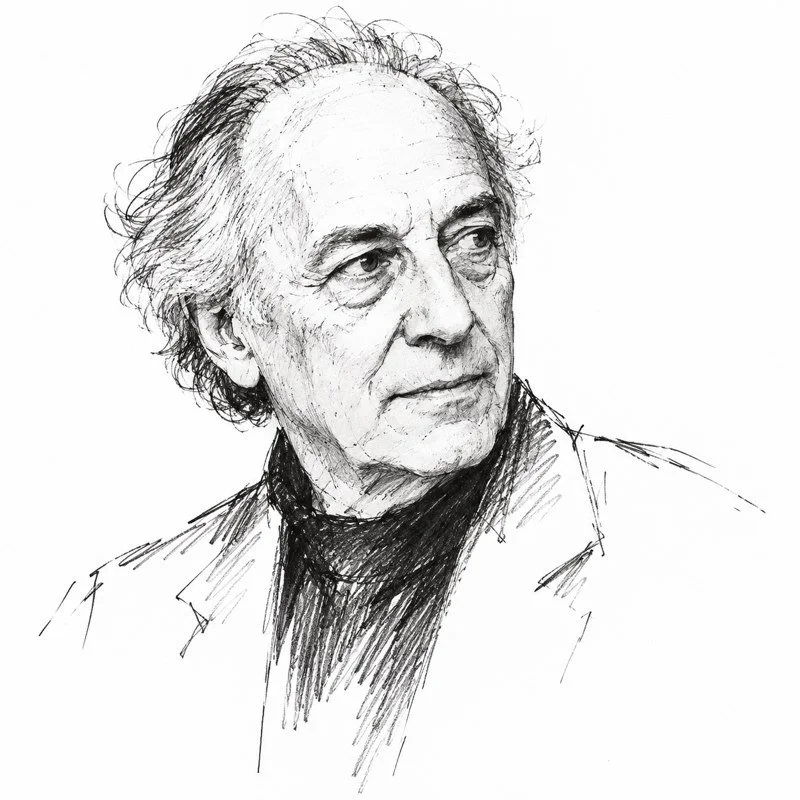
Julio Le Parc
Movement held in silk
Le Parc’s contribution to Hermès Éditeur drew on La Longue Marche, translating its flowing bands of colour into scarf variations. His work is particularly suited to an object that rarely stays still. The eye follows the lines across an opened square; a knot rearranges them into another rhythm. The collaboration makes the scarf’s movement part of the visual experience, rather than an interruption of it.
The carré
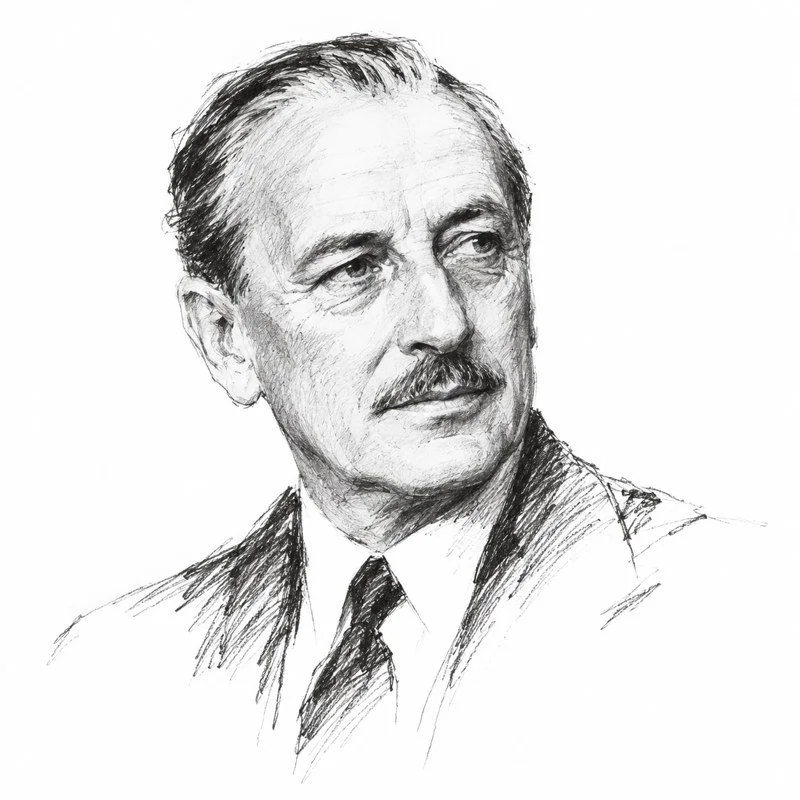
Robert Dumas
Making a house signature
The silk carré became part of Hermès in 1937, with Robert Dumas central to its development. He helped turn a small textile into a lasting expression of the house: equestrian memory, meticulous making and an appetite for illustration held within a square. The achievement was institutional as well as creative. A scarf became a continuing programme, capable of welcoming new subjects and new hands.
Reference: Hermès history and bibliography
Hugo Grygkar
The grammar of the Hermès square
Grygkar helped establish the visual language by which an Hermès scarf is still recognised. Brides de Gala is the clearest lesson: harnesses arranged with such composure that practical objects become ornament. His legacy is not simply a famous print. It is a command of the square, with a centre, border and corner each playing a part in the design’s life when folded.
Reference: Carré de Paris — Hugo Grygkar and the carré
Philippe Ledoux
History in fine line
Ledoux made the scarf a vehicle for historical illustration. Ships, uniforms, carriages and horses could become richly ordered compositions rather than isolated motifs. His designs reward the collector who opens a scarf fully and reads it before tying it. They also reveal how much narrative can be carried by an accessory whose practical task is simply to sit beautifully at the neck.
Reference: Scarf Sage — designer catalogue
Xavier de Poret
The observed animal
De Poret’s animal drawings brought a particular attentiveness to Hermès silk. In designs such as Bassets, the appeal lies in character and observation: a creature is more than a decorative silhouette. His work gives the natural-history strand of scarf design a distinct voice. It asks the wearer to look closely, and makes that looking part of the pleasure of owning the piece.
Reference: Scarf Sage — Xavier de Poret designs
Françoise de La Perrière
Objects become ornament
Étriers offers a precise introduction to de La Perrière’s contribution. Drawing on stirrups from Émile Hermès’ collection, the design turns equipment into a composition of curves, metalwork and carefully held space. It is a reminder that the house’s equestrian language is built from studied objects. The designer’s achievement is to let their differences remain visible while making them belong to one square.
Reference: Scarf Sage — Étriers
Christiane Vauzelles
An equestrian imagination
Vauzelles gave Hermès a substantial body of scarf designs, including Cheval Turc, Armada and La Berline d’Or. Moving between horses, maritime imagery and ceremonial transport, she helped sustain the carré as an illustrated world. Her range shows how familiar house themes can support markedly different compositions, each with its own atmosphere and rhythm.
Reference: Scarf Sage — Christiane Vauzelles
Caty Latham
The house, tied in a ribbon
Latham’s designs include Brandebourgs and Bolduc au Carré, moving from decorative fastenings to the ribbon associated with Hermès packaging. The latter is an especially clear instance of a house recognising its own visual language. An everyday detail becomes the subject of a silk square. Her work shows how scarf design can draw from the identity of a brand without relying on a repeated logo.
Reference: Scarf Sage — Caty Latham
Henri d’Origny
Order with a light hand
D’Origny’s contribution to Hermès spans more than one kind of object, but his scarves are central to the house’s graphic identity. Designs built around equestrian equipment and decorative structures demonstrate an exact sense of arrangement. The interest lies in the balance: enough detail to reward inspection, enough order to remain legible when the cloth becomes a narrow fold.
Reference: Scarf Sage — Henri d’Origny
Annie Faivre
A world within the border
Faivre’s scarves invite a second look, and often a third. Dense foliage, intricate scenes and the small monkey associated with her designs make the square a place of discovery. Grands Fonds is one of the works through which collectors encounter her imaginative language. Her influence is the pleasure of detail: a scarf that yields something new when it is unfolded again.
Reference: Scarf Sage — Annie Faivre
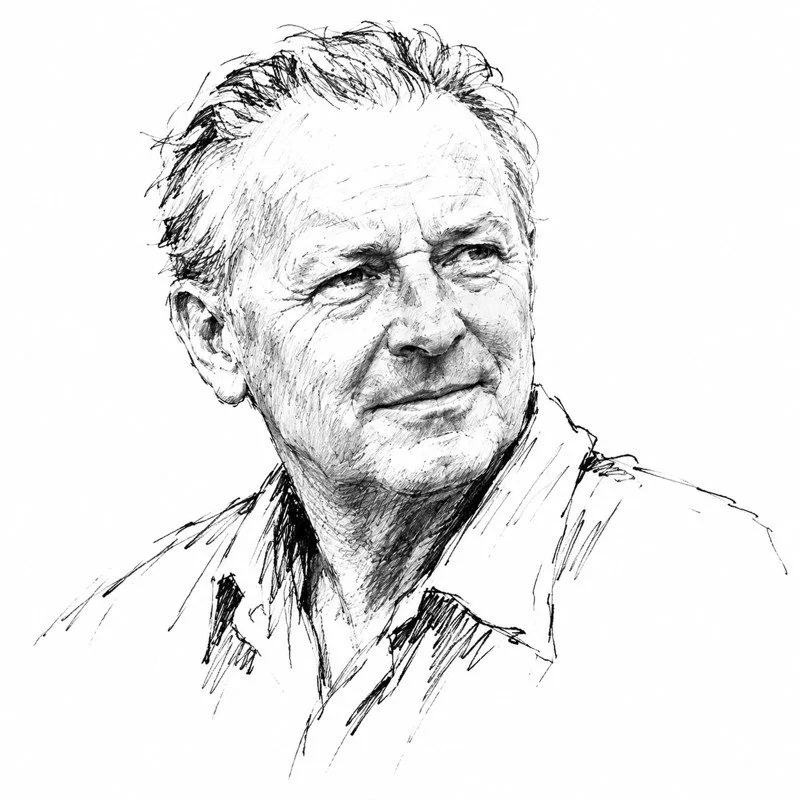
Robert Dallet
Wildlife without shorthand
Dallet’s animal studies gave Hermès a formidable naturalist’s eye. His collaboration with the house brought closely observed wildlife, especially great cats, to silk. The attraction is not simply exotic subject matter. Anatomy, posture and presence give the creatures their authority. His work makes a persuasive case for drawing as knowledge, and for the scarf as a way of bringing that knowledge into everyday view.
Reference: Robert Dallet — official estate
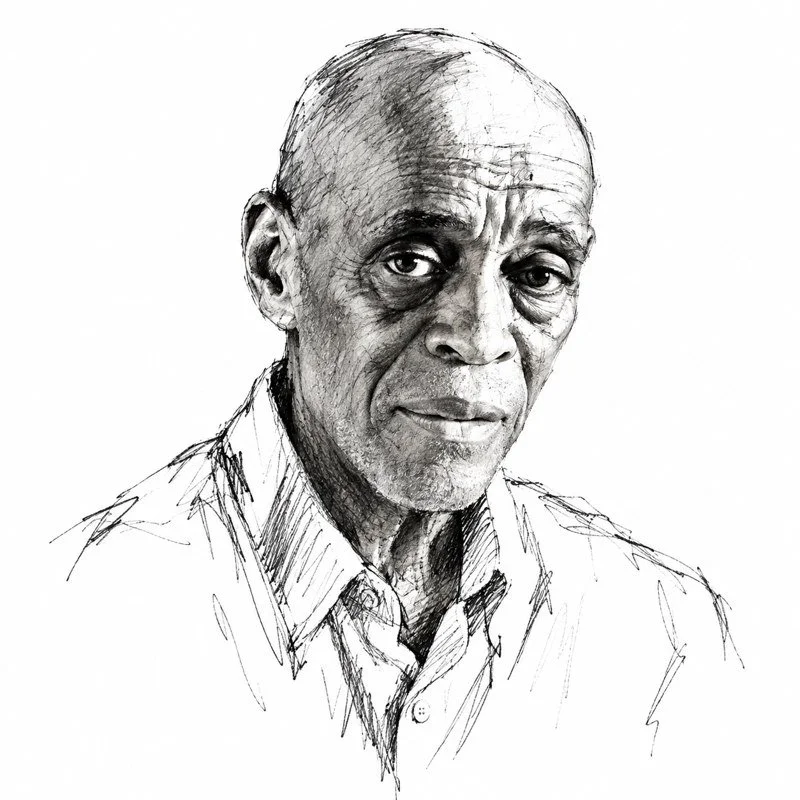
Kermit Oliver
A Texan vision in Paris
Oliver’s Hermès scarves brought the landscape, wildlife and cultural imagery of the American Southwest into the French house’s repertoire. His career as a painter continued alongside work for the postal service, resisting the usual fashion-world biography. The scarves matter because they carry an unmistakable artistic world. They show how a house’s identity can become richer when it gives an individual artist room to remain individual.
Reference: Houston Chronicle — Kermit Oliver at the Bryan Museum
Aline Honoré
The richness of close looking
Honoré’s designs include Parures des Samouraïs, L’Art du Sarasa and Cent Plis des Miao. They make the scarf a meeting place for textile histories, ornament and carefully constructed detail. Her contribution is a particularly expansive idea of research through drawing. A square can become a setting for many small discoveries, while still holding together as a single, decisive composition.
Reference: Scarf Sage — Aline Honoré
Dimitri Rybaltchenko
A different kind of illusion
From Vif Argent to Sur Mon Nuage and Hermès Flagship, Rybaltchenko has kept the carré open to graphic experiment and fantasy. His designs draw on familiar house subjects without settling into a single treatment. The pleasure is in the shift of register: a traditional silk square can be exuberant, strange or unexpectedly contemporary.
Reference: My Little Hermès Collection — Dimitri Rybaltchenko
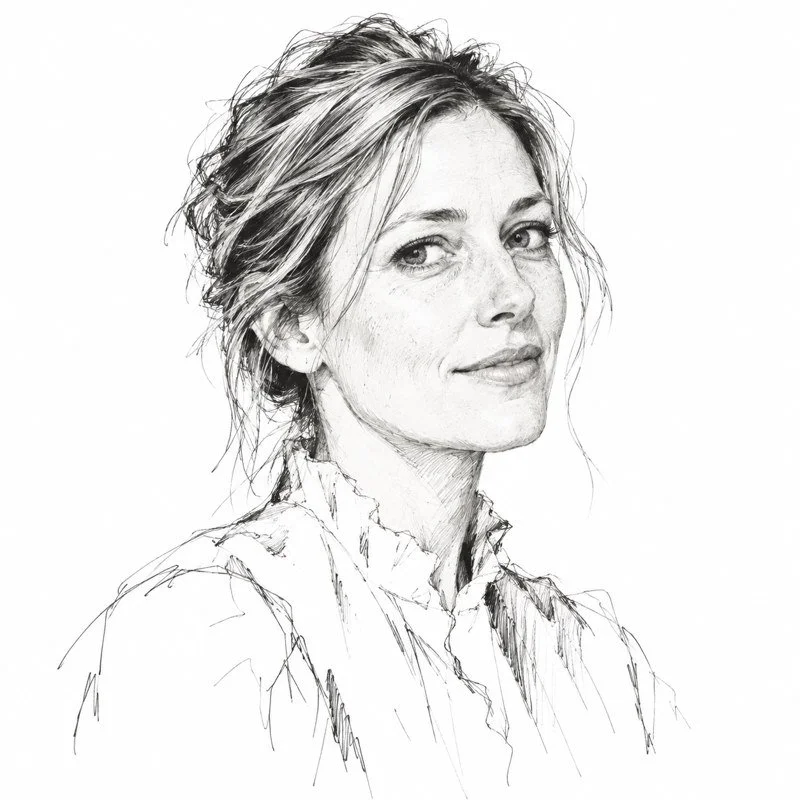
Alice Shirley
Nature, drawn by hand
Shirley’s collaboration with Hermès began in 2012. Working by hand, she builds intricate images around animals, plants and the stories that connect them. Mountain Zebra and Sous le Charme d’Orphée reveal the range of that imagination. Her contribution is an unmistakably contemporary natural world: closely observed, yet free to become theatrical, mythical or quietly improbable within the limits of the scarf.
Reference: Royal Drawing School — Alice Shirley
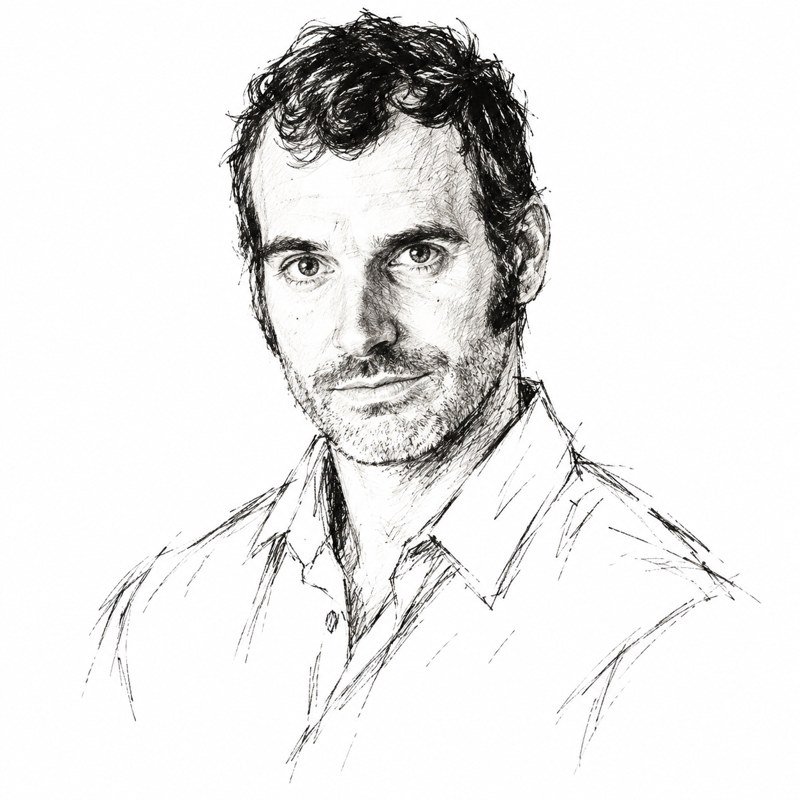
Pierre Marie
Ornament with a contemporary pulse
Pierre Marie’s long collaboration with Hermès includes numerous silk scarves and projects that extend into interiors. His ornamental language moves comfortably between those scales. The scarf is especially suited to it: a complete decorative world that can be opened, folded and carried. His place here reflects the continuing relevance of ornament as a serious design practice, with its own structure, rhythm and wit.
Reference: Pierre Marie Studio — Hermès collaboration
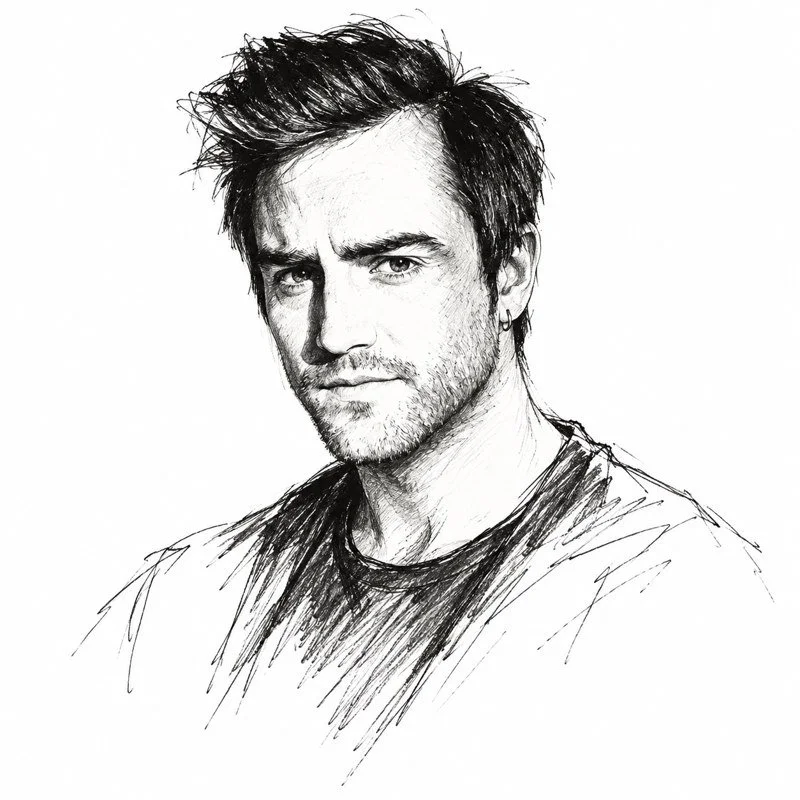
Ugo Gattoni
The square as an imagined city
Gattoni’s Hippopolis builds an extraordinary world within an Hermès scarf. Architecture, tiny figures and equestrian fantasy ask the eye to wander through the drawing. The design also became an animation, making its narrative life explicit. His contribution lies in that density of invention: a scarf can be a destination, with enough visual incident to make repeated visits worthwhile.
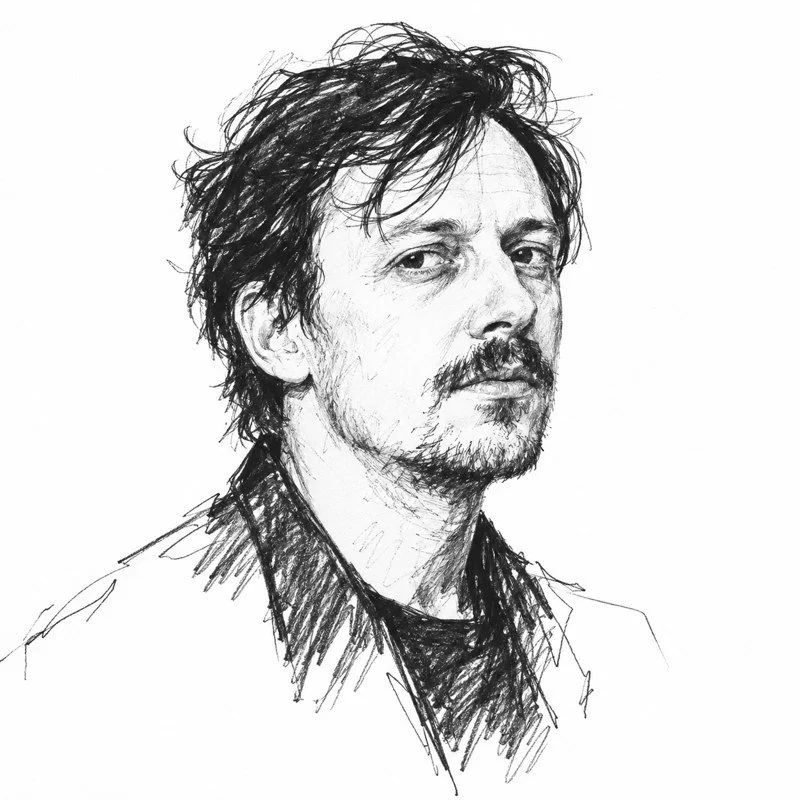
Jan Bajtlik
Drawing as a place to explore
Bajtlik’s Academia Hippica imagines an art school in a building shaped like a horse, with animal characters absorbed in their studies. It is a characteristic use of the Hermès square as a complete illustrated environment. His designs bring the pleasures of a picture book into luxury silk: routes to follow, incidents to notice and an invitation to keep looking after the first impression.
Reference: Jan Bajtlik — Academia Hippica
Daiske Nomura
A darker sense of play
Nomura’s C’est la Fête takes the equestrian scarf into a stranger register, with a skeletal rider and horse. It is a memorable departure within the house’s own vocabulary, rather than a rejection of it. His contribution is the permission to be irreverent. The carré can accommodate darkness, humour and a different visual culture while remaining a carefully composed piece of silk.
Reference: Scarf Sage — Daiske Nomura
Commissioning and collecting
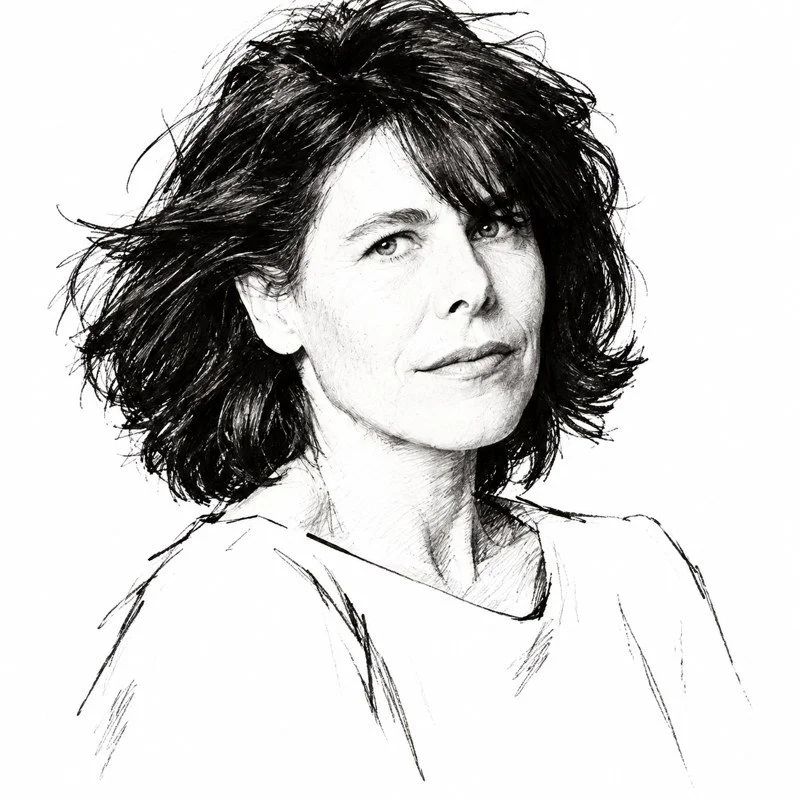
Bali Barret
Giving the scarf a new audience
During her work with Hermès silk, Barret helped present the carré as an active creative medium. Projects such as the Carré Club brought artists and their processes into public view. That change of emphasis matters. The scarf could be understood through the people drawing it, and through the freedom of wearing it, as well as through the history of the house.
Reference: Vogue — Inside the Hermès Carré Club
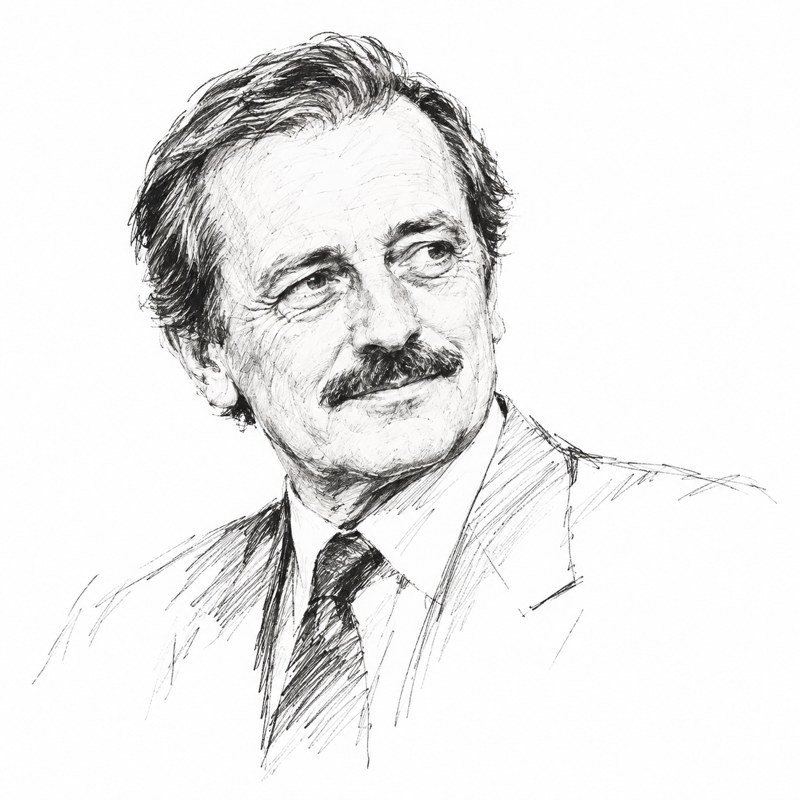
Jean-Louis Dumas
The value of another eye
When Dumas took over Hermès in 1978, the house needed a wider audience. A campaign showing a young woman in jeans and a silk square helped loosen the accessory’s formal associations. The scarf could belong to a different wardrobe without losing its character. His influence was in that repositioning: making an inherited object feel available to another generation.
Reference: Hermès — expansion under Jean-Louis Dumas
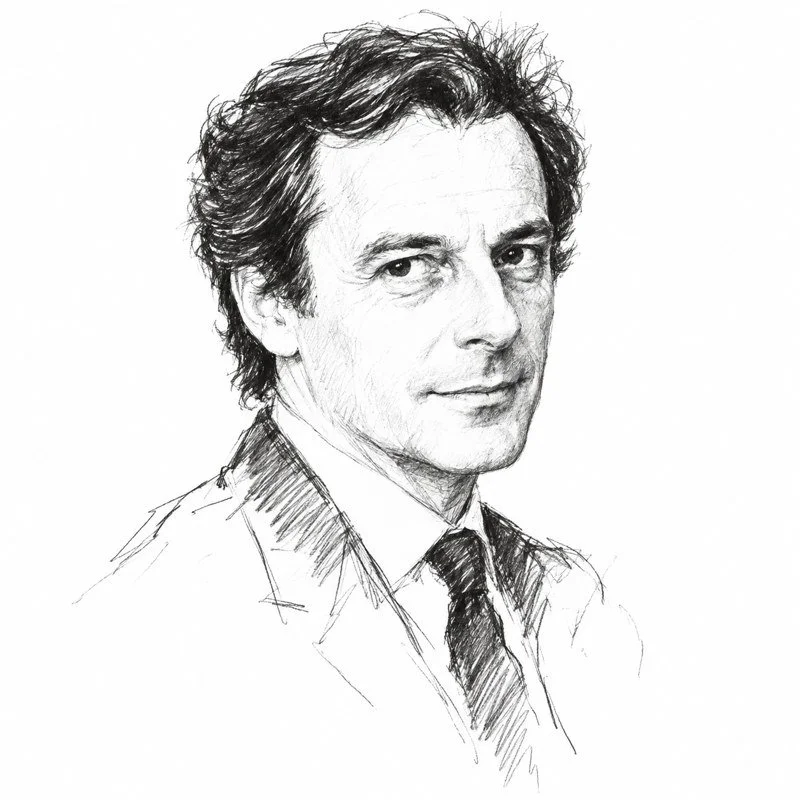
Pierre-Alexis Dumas
An archive with a future
Under Pierre-Alexis Dumas, the Hermès archive has become an increasingly active resource for its designers. His work includes expanding the house’s physical and digital collections, while encouraging creative teams to explore them. For a scarf culture built on drawings and their successive interpretations, that stewardship matters. Preserving a pattern also means keeping open the possibility of its next life.
Reference: NUVO — Pierre-Alexis Dumas on creativity and the archive
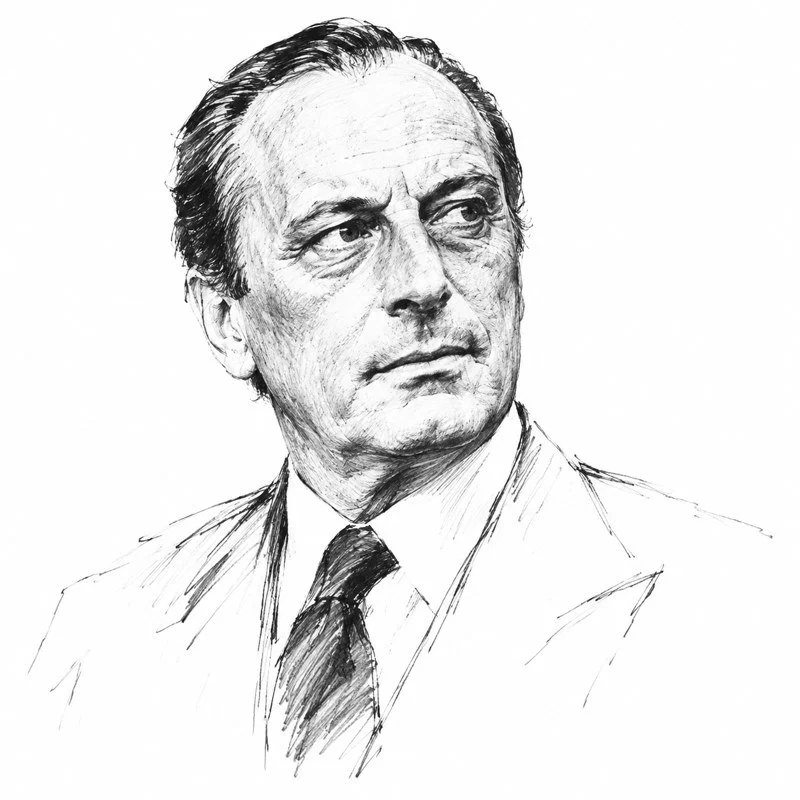
Rodolfo Gucci
The commission behind an icon
Rodolfo Gucci commissioned Vittorio Accornero to create a scarf for Princess Grace in 1966. The result was Flora, a botanical drawing that would become part of the house’s visual identity. Gucci’s instinct as a patron gave an artist the occasion to make something enduring; the scarf outlived its original presentation to become a subject of successive reinterpretations.
Reference: Gucci history and bibliography
Geneviève Fontan
Giving collectors a reference
Fontan’s books on Hermès scarves, including Carrés d’Art and volumes devoted to special editions, help readers identify designs and navigate a large, complicated body of work. Names, dates and distinctions give a collector the means to study what they own. Her publications contribute to the reference culture surrounding the carré, preserving knowledge that might otherwise remain scattered across individual collections.
Reference: Arfon — Carrés Hermès, éditions spéciales
Ways of wearing
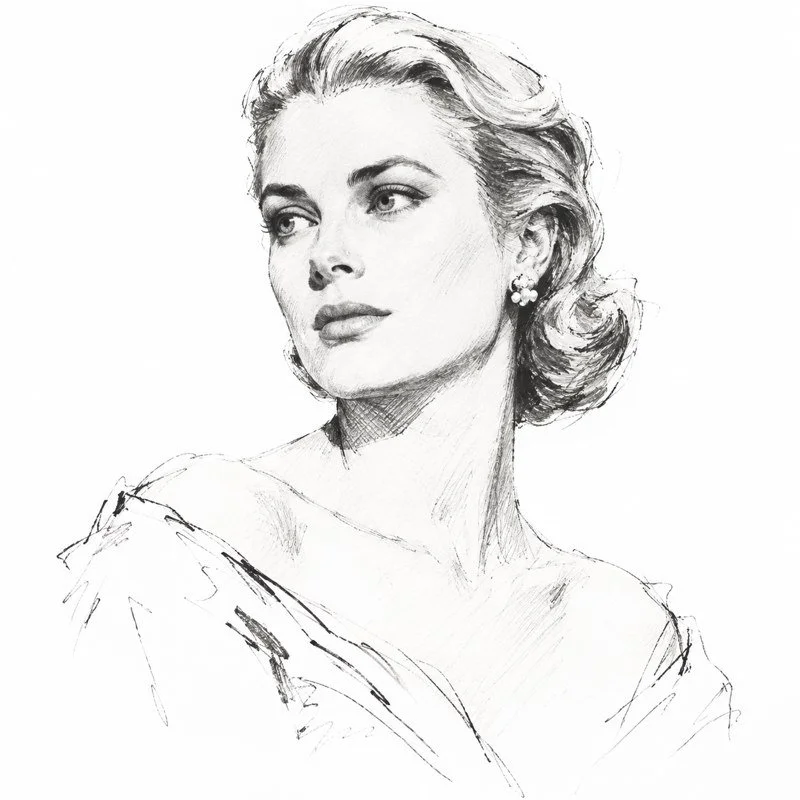
Grace Kelly
The scarf as public image
Grace Kelly helped fix the silk scarf in the vocabulary of composed, international glamour. Her connection to Gucci’s Flora gives that influence a specific object: the design commissioned for her in 1966. Her place in this history is as a wearer and muse, with a public image that gave accessories unusual visibility. The scarf became part of how a particular elegance was recognised.
Reference: Vanity Fair — Gucci’s Flora Garden
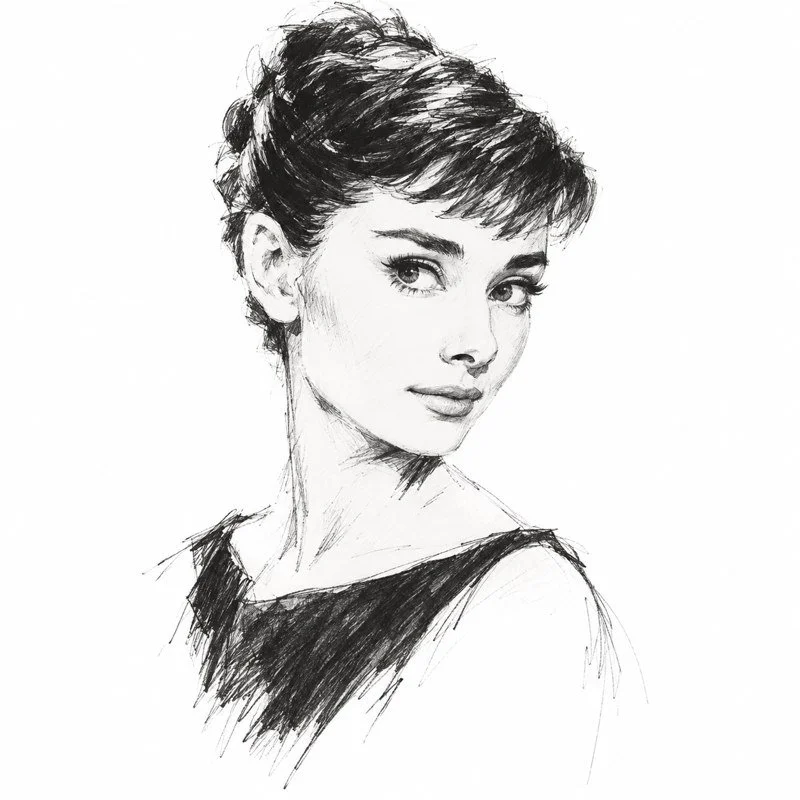
Audrey Hepburn
Economy in the way of dressing
Hepburn’s association with the headscarf helped make it part of a widely recognised language of modern elegance. A covered head, a clean neckline, a pair of sunglasses: the effect depends on proportion and restraint rather than elaborate styling. Her contribution is cultural rather than industrial. She remains a reference for how a small piece of cloth can give a simple outfit its entire character.
Reference: Vogue — How to style a bandana or headscarf
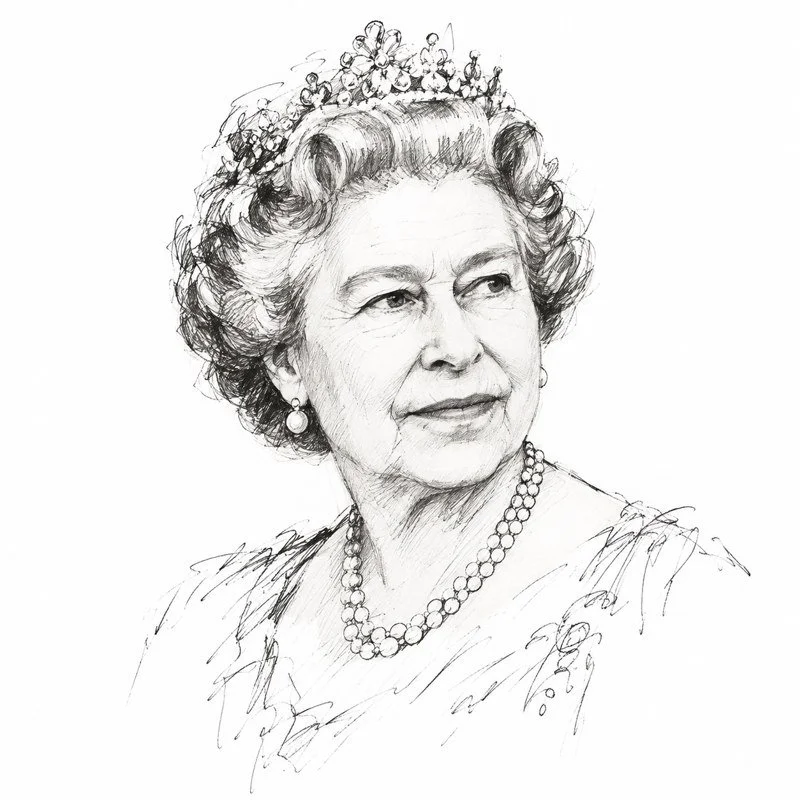
Elizabeth II
A working wardrobe signature
Elizabeth II’s headscarves gave the silk square an enduring place in the imagery of British country life. Worn with practical outerwear, they suggested familiarity and continuity rather than a fashion performance. Her inclusion concerns that repeated public image. It demonstrated how a finely printed accessory could belong to an everyday uniform, with usefulness and personal style occupying the same small piece of cloth.
Reference: Country Life — Elizabeth II’s favourite accessory
About this selection. This is a curated reference, not a numerical ranking or a complete global history. It concentrates on documented contributions to the modern designer scarf and its silk-making context. Named figures are only part of the story: generations of makers, particularly across Asia, established the material knowledge on which these later works depend. Source links distinguish published evidence from our interpretation of each contribution. The portraits are original AI-generated editorial illustrations, not archival images.